Skip to content
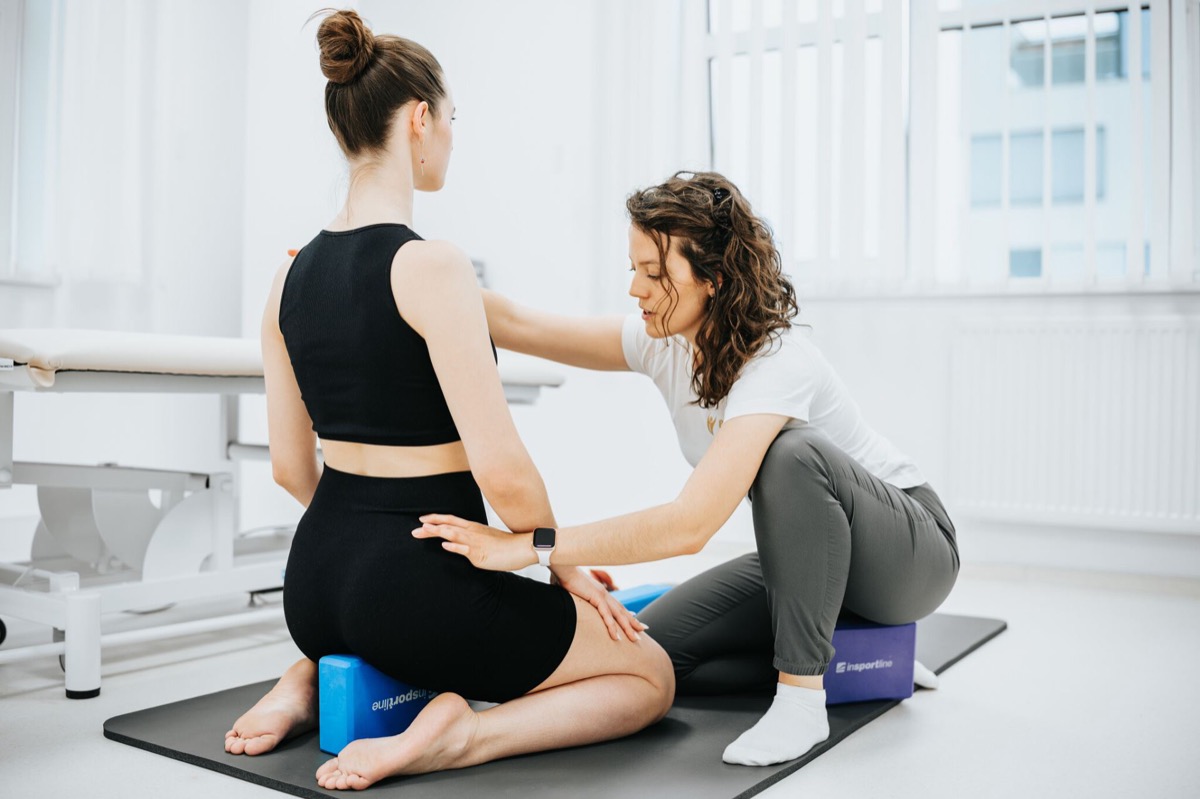
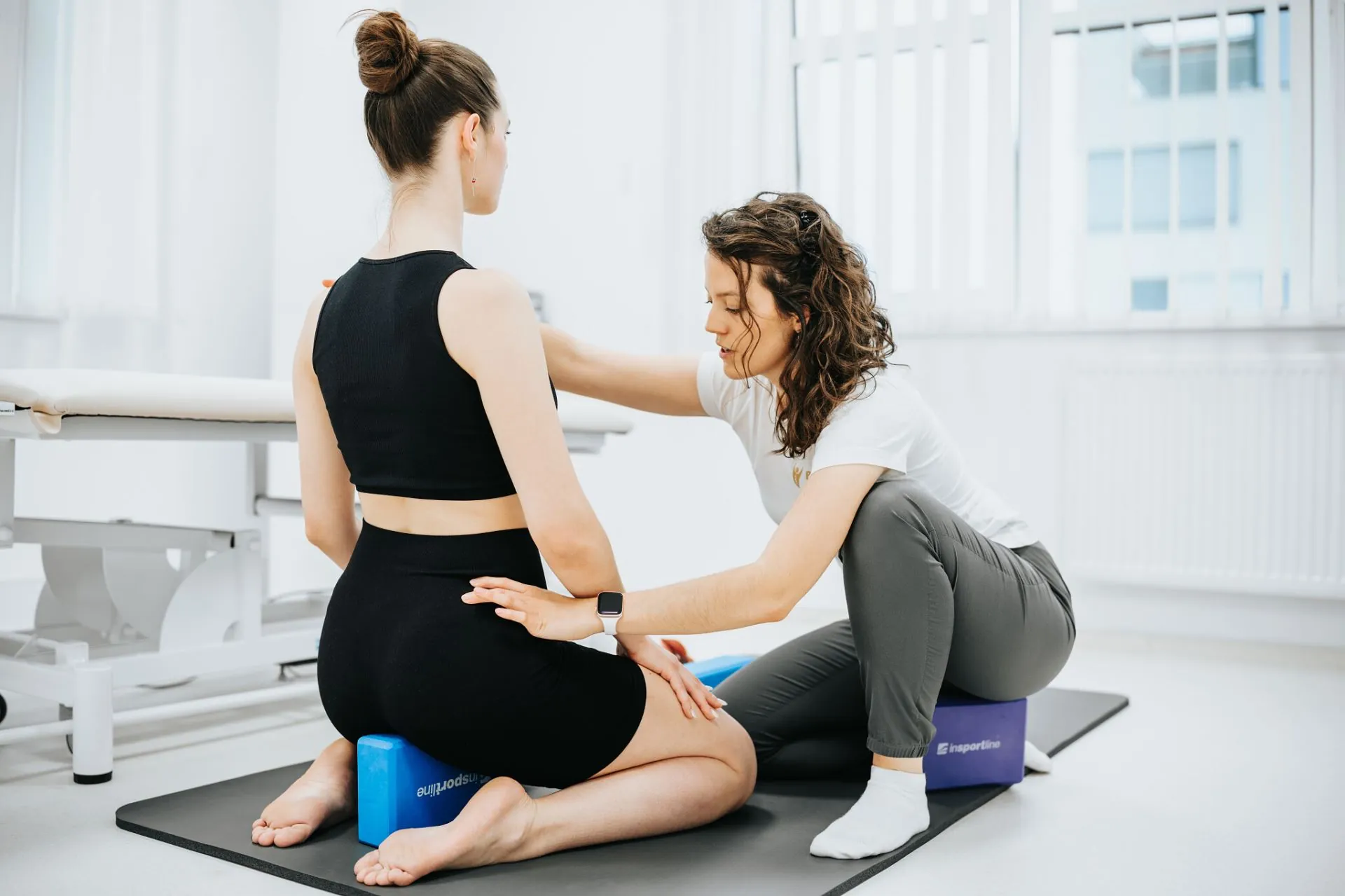
A physiotherapist examining the lower back and pelvis of a woman sitting on a mat

Pankrác Clinic, Prague 4

Shockwave therapyradial and focused

It uses the mechanical energy of acoustic pulses and, for some chronic tendon and tendon insertion problems, may help relieve pain and support a return to everyday activities. Treatment is carried out by certified physiotherapists who assess beforehand whether the method suits you.

4.7 out of 5 on Google

20 min

standalone session, or 50 min with physiotherapy

No referral

book directly, without a doctor’s recommendation

Storz Medical

radial and focused shockwave; the physiotherapist recommends the type

Metro C

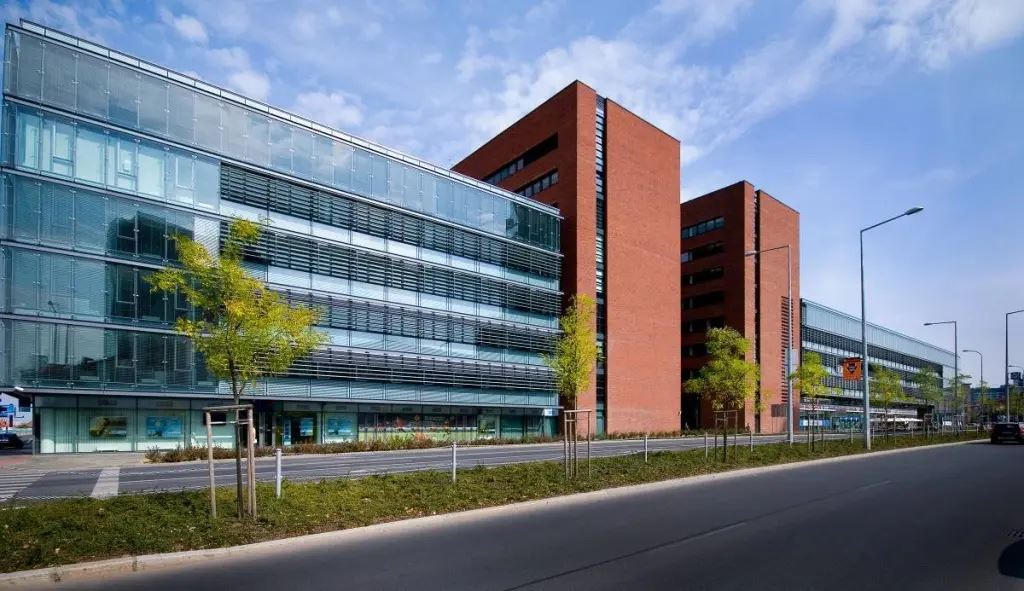
right by the Pankrác station exit, Gemini A building

What shockwave therapy is and how it works

Shockwave therapy is a non-invasive physical method that uses mechanical acoustic pulses to act on musculoskeletal tissues. In physiotherapy, it is used mainly for certain long-term painful conditions of tendons, tendon insertions and other soft tissues.

The energy is transmitted into the treated area through a special applicator and may influence biological processes related to how tissues respond to load and how pain is perceived. Studies examine, for example, its effect on cell signalling, blood flow and tissue regeneration.

Shockwave therapy is not, however, a universal solution for all musculoskeletal pain. For some conditions it may be beneficial; for others, the evidence is limited or inconclusive — which is why a professional assessment before therapy matters.

Shockwave therapy as part of comprehensive physiotherapy

With chronic tendon and muscle problems, it is important to address not only the pain itself but also the causes of long-term overload. Shockwave therapy can therefore be combined with targeted strengthening of muscles and tendons, adjusting sports or work strain, mobilisation and soft tissue techniques, training movement patterns and a gradual return to activity.

For many chronic tendon conditions, active rehabilitation is an essential part of conservative treatment. Device-based therapy usually complements it rather than replacing it.

What shockwave therapy may help with

Shockwave therapy is most often used as part of conservative care for chronic problems of tendons, tendon insertions and certain other musculoskeletal structures.

Heel spur and plantar fasciopathy

Heel pain during the first steps in the morning or after long standing; a heel spur on an X-ray may not be the actual cause. Shockwave therapy can be one conservative care option, especially if the problem persists — ideally combined with:

  • Targeted exercises for the foot and calf muscles
  • Gradually adjusting the load on the lower limbs
  • Stretching tailored to your findings
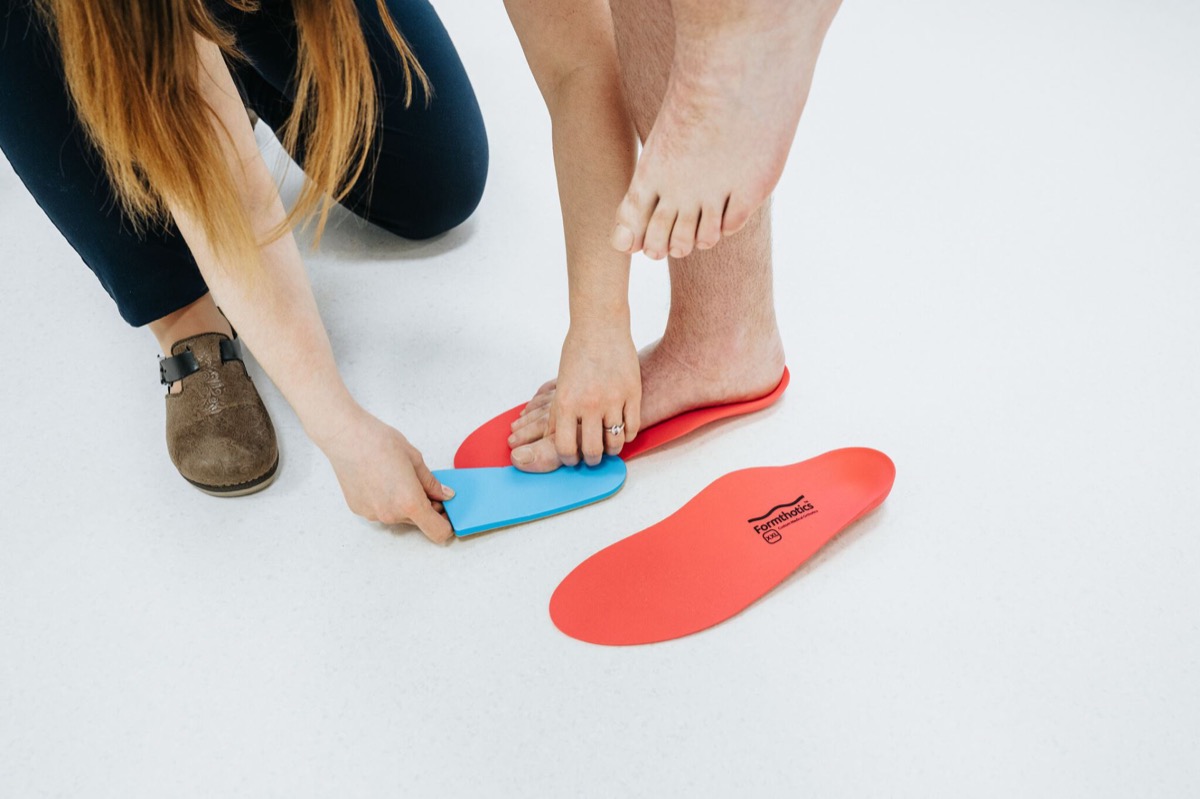
  • Assessment of suitable footwear or orthotic insoles

Tennis and golfer’s elbow

Pain at the tendon insertions around the elbow when gripping objects, working at a computer, lifting or playing sport. Shockwave therapy is used as a complementary method, but study results are mixed — appropriately dosed exercise and adjusting forearm load remain the basis.

Painful shoulder and calcification

For calcific tendinopathy of the rotator cuff, focused shockwave therapy may be one conservative treatment option for selected patients. Complete removal of the calcifications or full shoulder mobility cannot be guaranteed, and for shoulder pain without calcifications it may not offer the same benefit.

Achilles tendon pain

Achilles tendinopathy may show as pain when running, stiffness after rest or a tender tendon under load. Shockwave therapy can complement rehabilitation, but targeted, gradually dosed tendon loading usually remains the basis.

Jumper’s knee and other insertion problems

Patellar tendinopathy, with pain in the tendon below the kneecap, common in athletes who repeatedly run and jump. Evidence of the benefit of shockwave therapy is not conclusive for all types, so physiotherapy also works on muscle strength, coordination, gradual tendon loading and training adjustments.

Myofascial trigger points and muscle tension

Tender spots in the muscles of the neck, shoulders, back or buttocks, linked to local or referred pain. Radial shockwave therapy is sometimes used as a complement to care, but results vary and it has not been shown that a single session reliably eliminates muscle spasms or the causes of overload.

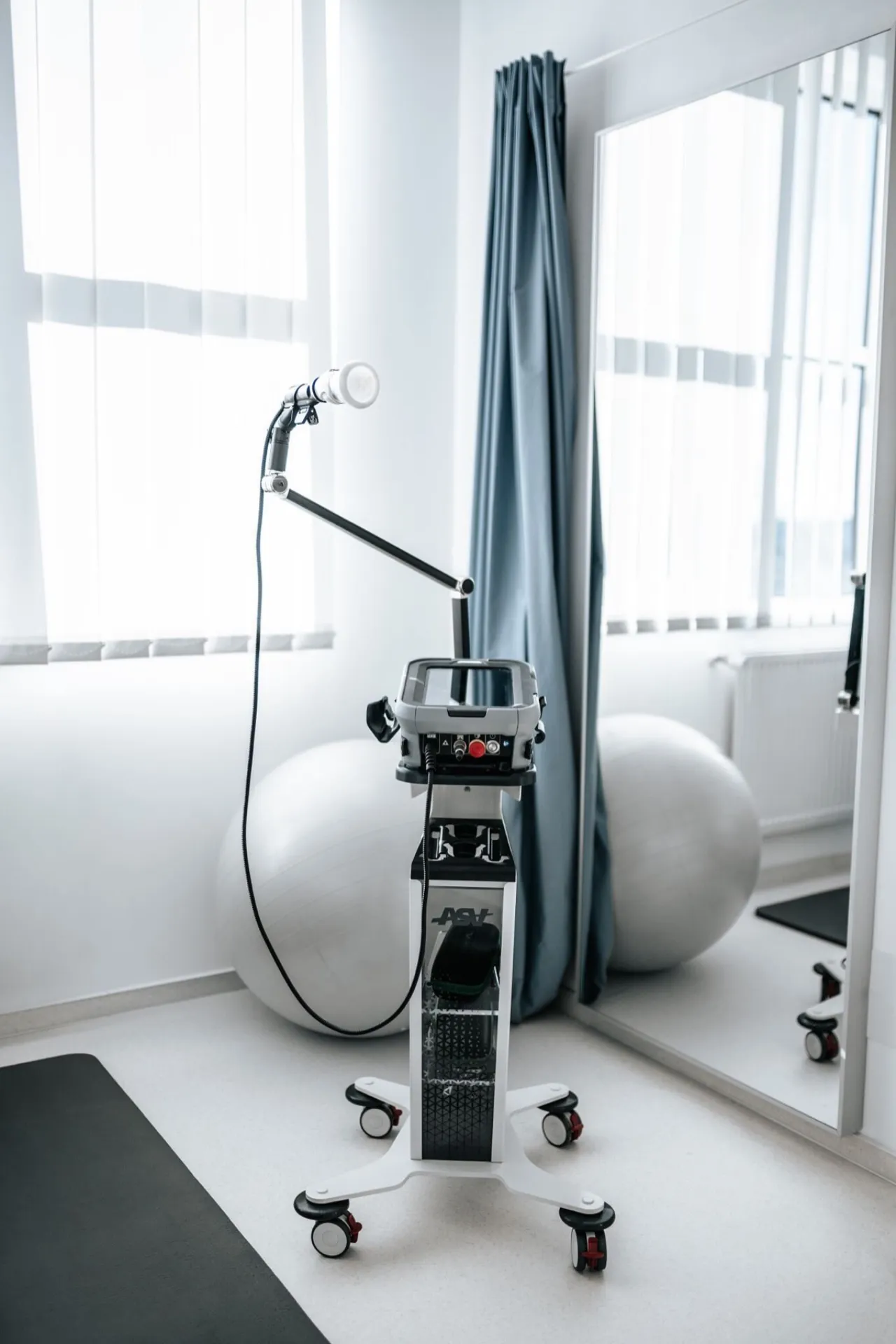
A shockwave applicator head placed on a woman’s shoulder

Two Storz Medical technologies

The difference between radial and focused shockwave

The two technologies differ in how mechanical energy is generated and spreads. In Pankrác we have both radial and focused Storz Medical shockwave therapy, so the physiotherapist can recommend the right type for your problem, or a combination of both.

  • Radial shockwave (RSWT)

    Pressure pulses spread from the applicator into the surrounding tissues, with the highest intensity usually near the surface. It is used for more superficial soft tissues — for example increased muscle tension, myofascial trigger points, certain chronic insertion problems or painful conditions of the feet and lower limbs.

  • Focused shockwave (FSWT)

    It concentrates mechanical energy at a defined depth within the treated tissue. It may therefore suit deeper structures, such as tendon insertions, and is also used for selected conditions with calcifications, particularly in the shoulder’s rotator cuff.

Focused shockwave therapy is not automatically more effective than radial. Each technology has different physical properties, and the right approach is chosen according to the specific diagnosis.

What shockwave treatment involves

It is a non-invasive method: the physiotherapist places a special applicator head on the selected area of the body, which delivers mechanical pulses. The therapy itself is always preceded by an assessment of your health and the suitability of the method.

  1. 01

    Initial consultation and examination

    The physiotherapist learns about your problem, carries out a functional musculoskeletal examination if needed and assesses whether shockwave therapy is an appropriate approach.

    • nature of the problem
    • how long it has lasted
    • previous treatment
  2. 02

    Choosing the right technology

    Based on the examination, they recommend radial or focused shockwave therapy, or a combination of both. The choice depends on the type of problem and the location and depth of the treated structure.

  3. 03

    The application itself

    A contact gel is applied to the skin and the physiotherapist places the applicator. You may feel repeated pulses, pressure or discomfort — the treatment may not be entirely painless, so the physiotherapist continuously monitors your tolerance and adjusts the parameters.

  4. 04

    Recommendations after therapy

    The treated area may be temporarily more sensitive; mild redness, swelling or a small bruise sometimes appear. The physiotherapist will advise you on the following days, adjusting your activity and, if appropriate, continuing with exercise or rehabilitation.

How many shockwave sessions are needed

For some tendon conditions, professional guidelines mention a series of roughly three to five sessions one to two weeks apart — but this is not a universal scheme. Relief may not come straight after the first treatment: for some, changes appear gradually over the following weeks; for others, the benefit may not be significant.

When shockwave therapy may not be suitable

When properly indicated and professionally performed, shockwave therapy is a widely used non-invasive method. Contraindications, however, depend on the technology, the energy intensity and the treated area — particular attention is needed in cases such as:

  • Pregnancy — the shockwave must not be applied where the foetus could be affected
  • Cancer at the treatment site
  • Significant blood clotting disorders, especially with high-energy focused shockwave
  • Implanted medical devices within the area reached by the shockwave
  • Other risk structures and conditions, depending on the device and treated area

That is why the physiotherapist gathers important information about your health before therapy and, if needed, recommends a further specialist examination.

Why choose us

Why shockwave therapy at Bulovka Premium Clinic

Book online
  • Radial and focused Storz Medical technology

    We have both technologies, so the treatment can be chosen to suit the nature of your problem.

  • Treatment by a certified physiotherapist

    Before treatment, they assess your health, choose the appropriate approach and check for contraindications.

  • Option to combine with physiotherapy

    Depending on your condition, shockwave therapy can be combined with targeted exercise, manual techniques or other rehabilitation methods.

  • Easy to reach in Prague 4

    The clinic is in the Gemini A building, close to Pankrác metro station (line C).

Price and booking

Prices

Radial shockwave – 20-minute therapy
690 Kč
Focused shockwave – 20-minute therapy
1 290 Kč
Combination of radial and focused shockwave (20 + 20 min)
1 890 Kč
Physiotherapy with radial shockwave therapy50 min
1 750 Kč
Physiotherapy with focused shockwave therapy50 min
2 350 Kč

The number of sessions is individual — for some chronic tendon conditions, a series of several sessions is used, often at weekly or longer intervals. Care is provided on a direct-payment basis — we have no contracts with health insurance companies for physiotherapy.

Book online in a few minutes

The booking system is in Czech — choose these items:

  1. 1

    Choose the clinic Fyzioterapie – Klinika PankrácPhysiotherapy – Pankrác Clinic

  2. 2

    Select the service Radiální, nebo Fokusovaná rázová vlnaRadial or focused shockwave therapy

  3. 3

    Pick a time and briefly note what you would like to address

The physiotherapist recommends the type of shockwave based on an examination — choose the one recommended to you (“Kombinace radiální a fokusované rázové vlny”, the combination of both, is also available). If you are coming for the first time, choose “Vstupní vyšetření – obecná fyzioterapie” (initial examination – general physiotherapy): the physiotherapist will assess whether shockwave therapy suits your problem and recommend the type.

Before you come

What to prepare

If you have a medical report or imaging results related to your problem, it is a good idea to bring them.

No referral needed

You can book directly, without a recommendation from a GP or specialist.

  • A medical report, if you have one
  • Ultrasound or MRI results
  • Comfortable clothing that leaves the treated area accessible
  • Information on how long the problem has lasted and how it has been treated
  • Information about pregnancy, blood clotting disorders or implanted devices

After treatment, the area may be temporarily sensitive — the physiotherapist will advise you on how to adjust your activity over the following days.

Frequently asked questions about shockwave therapy

Didn’t find your answer? Write or call us — we’re happy to help.

Mainly for certain chronic conditions of tendons and their insertions, such as plantar fasciopathy, Achilles tendinopathy or selected painful shoulder conditions. Suitability depends on the specific diagnosis.

Radial shockwave acts mainly in more superficial tissues, while focused shockwave concentrates energy at a defined depth. The physiotherapist will recommend the method based on the examination.

During the application you may feel pressure or painful pulses. The intensity depends on the treated area and device settings; the physiotherapist adjusts the parameters to your tolerance.

Some patients notice a change after the first few sessions; for others, any effect develops gradually. Immediate relief or a specific outcome cannot be guaranteed.

The number of visits is individual. For some chronic tendon conditions, a series of several sessions is used, often at weekly or longer intervals. The physiotherapist will recommend the specific approach.

What sport you can do depends mainly on the condition or injury being treated. The treated area may be temporarily sensitive; the physiotherapist will advise you on how to adjust your activity.

No. You can book physiotherapy without a referral. The physiotherapist will, however, assess before treatment whether the method is suitable for you.

No. We provide shockwave therapy on a direct-payment basis — we have no contracts with health insurance companies for physiotherapy care.

Shockwave therapy does not replace a medical examination or properly guided exercise, and it is not automatically suitable for every acute pain. With significant swelling after an injury, a suspected tendon rupture, a fracture or other serious problems, please see a doctor first.

Everything is described in detail in our article Shockwave Therapy: How Does It Work and When Can It Help.

Find out whether shockwave therapy is right for you

Treatment is carried out by certified physiotherapists who take your health and needs into account. Depending on the examination, shockwave therapy can be combined with further physiotherapy and targeted exercise.

The Gemini A building in Pankrác, home of the clinic

Pankrác Clinic

Na Pankráci 1683/127, budova Gemini A, 140 00 Praha 4

  • Metro C → Pankrác station. The Gemini A building is right by the metro exit.
  • Bus 134, 188, 193 → Pankrác stop
  • Paid city parking applies nearby. The most convenient option is the Arkády Pankrác shopping centre car park — the first 2 hours are free. We have no reserved spaces for clients.
Directions in Google Maps

Part of Bulovka Premium Clinic

Three clinics. One standard of care.

Physiotherapy in Pankrác is part of Bulovka Premium Clinic — three clinics in Prague offering dentistry, dental hygiene, physiotherapy and a general practitioner under one brand.

Privacy and cookies

We use cookies so the website works properly and, with your consent, to analyse traffic and improve our services. You can change your decision at any time. Privacy policy