Skip to content
A physiotherapist in Pankrác guiding a client through a lunge on balance pads

Pankrác Clinic, Prague 4

General physiotherapythe cause, not just the pain

Back pain, a stiff neck, restricted joint mobility or problems after an injury. We assess the musculoskeletal system as a connected whole and propose individual therapy.

4.7 out of 5 on Google

60 min

for the first visit: consultation, examination and first therapy

No referral

book directly, without a doctor’s recommendation

Whole body

we look for connections, not just where it hurts

Metro C

close to Pankrác station, Gemini A building

What is general physiotherapy

General physiotherapy is a healthcare discipline focused on the examination, treatment and prevention of functional disorders of the musculoskeletal system — in other words, on how the muscles, joints, spine and other structures important for everyday movement work.

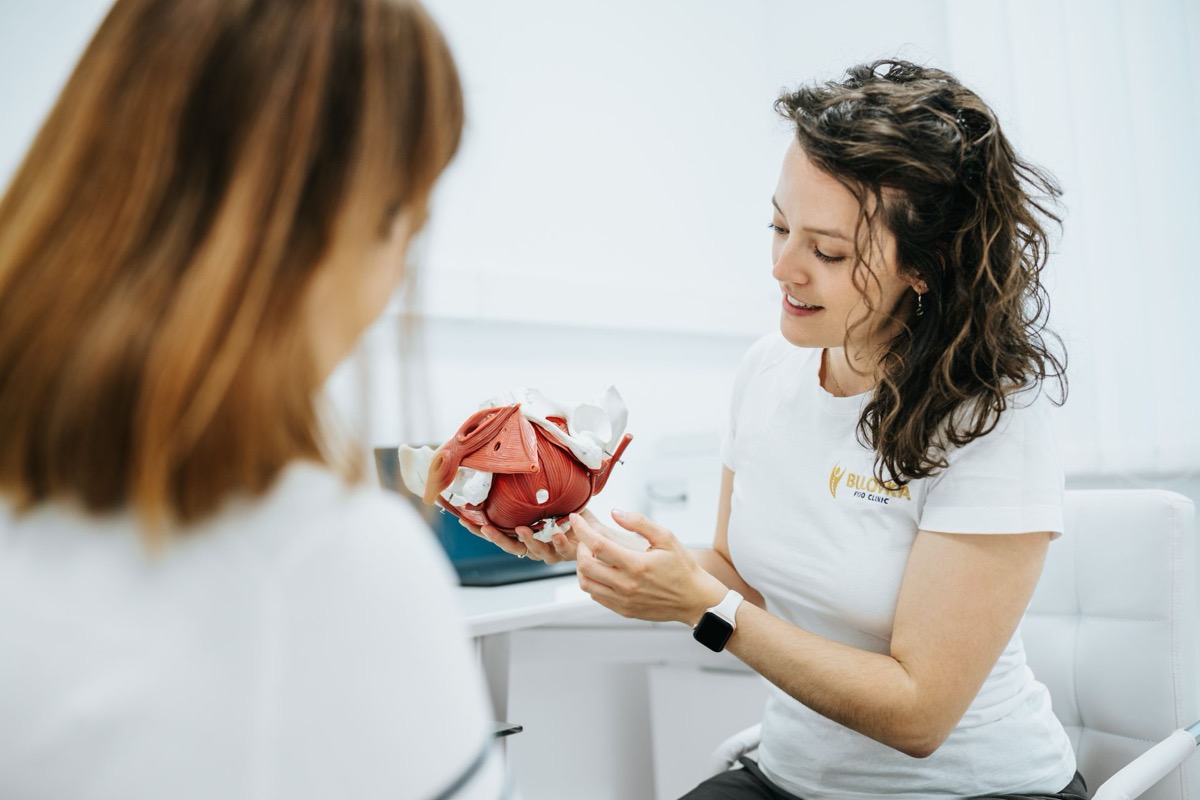
During the examination, the physiotherapist assesses range of motion, muscle strength, coordination, stability, posture and the way everyday movements are performed. Based on the findings, they recommend an individual plan that may combine targeted exercise, manual techniques and changes to movement habits.

Why we don’t focus only on where it hurts

The musculoskeletal system works as a connected whole. In some people, lower back pain may be linked to poor coordination of the deep stabilising system, limited hip mobility or overloading of certain muscles; tension in the neck and shoulder muscles may contribute to some headaches.

Pain does not always have a single cause, though. The physiotherapist evaluates possible functional connections and proposes suitable therapy based on the findings. If the symptoms point to another condition, a medical examination may also be needed.

What general physiotherapy can help with

Physiotherapy can be part of care for acute and long-term musculoskeletal problems, after injuries and surgery, or with one-sided workloads. We always tailor therapy to your health and circumstances.

Acute and chronic musculoskeletal problems

After unusual exertion, a sudden movement or long-term overload. The examination shows which movements are restricted and what load can be introduced safely.

  • Sudden restriction of spinal or joint mobility
  • Painful muscle tension
  • Stiffness and reduced range of motion
  • Recurring difficulties with everyday movements
Rehabilitation after injuries and surgery

Gradually restoring mobility, muscle strength and the ability to handle everyday demands — always respecting the healing process and any restrictions set by your treating doctor.

  • Muscle, ligament and tendon injuries
  • Fractures and the period after immobilisation
  • Joint surgery and orthopaedic procedures
  • Sports injuries

Acute and chronic back pain

Pain in the cervical, thoracic or lumbar spine — after sitting at a computer, physical work or sport. Long-term back care relies not just on release techniques but on suitable movement and your active involvement.

  • Mobility of individual parts of the spine
  • Coordination of the deep stabilising system
  • Better movement patterns when sitting, walking and lifting

Headaches related to the cervical spine

Some headaches may be related to how the cervical spine works and to tension in the neck. Migraine, however, is a separate neurological condition — physiotherapy can only be a complementary part of care.

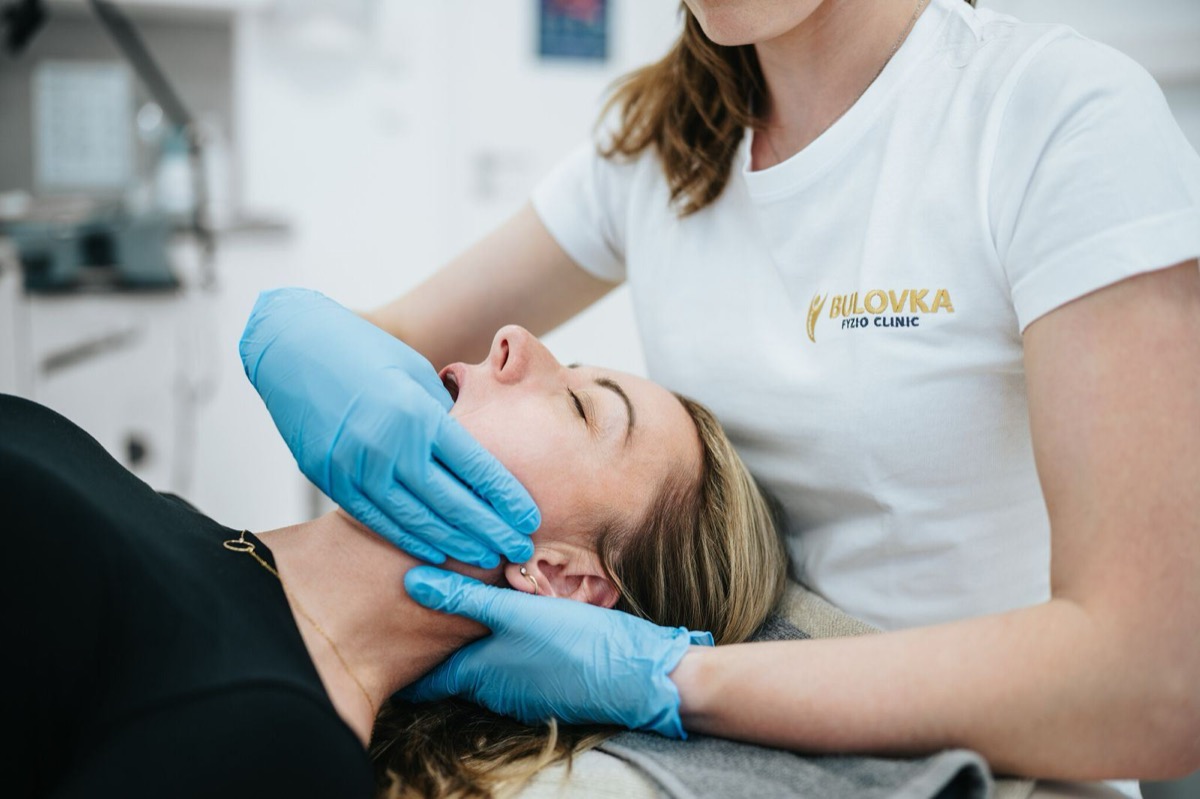
  • Gentle mobilisation and manual techniques
  • Soft-tissue work on the neck and shoulders
  • Exercises for cervical coordination and stability

Degenerative joint disease and osteoarthritis

Physiotherapy is an important part of conservative care — it helps maintain mobility, strengthen the muscles that stabilise the joint and manage daily activities. It cannot, however, restore damaged cartilage.

Preventing strain from a sedentary job

Tension in the neck and shoulders, discomfort in the lower back or stiffness after a long working day. Physiotherapy can also focus on prevention — and in Pankrác it is easy to reach from the surrounding offices.

  • Assessment of posture and movement habits
  • Ergonomic set-up of your workstation
  • Simple compensatory exercises
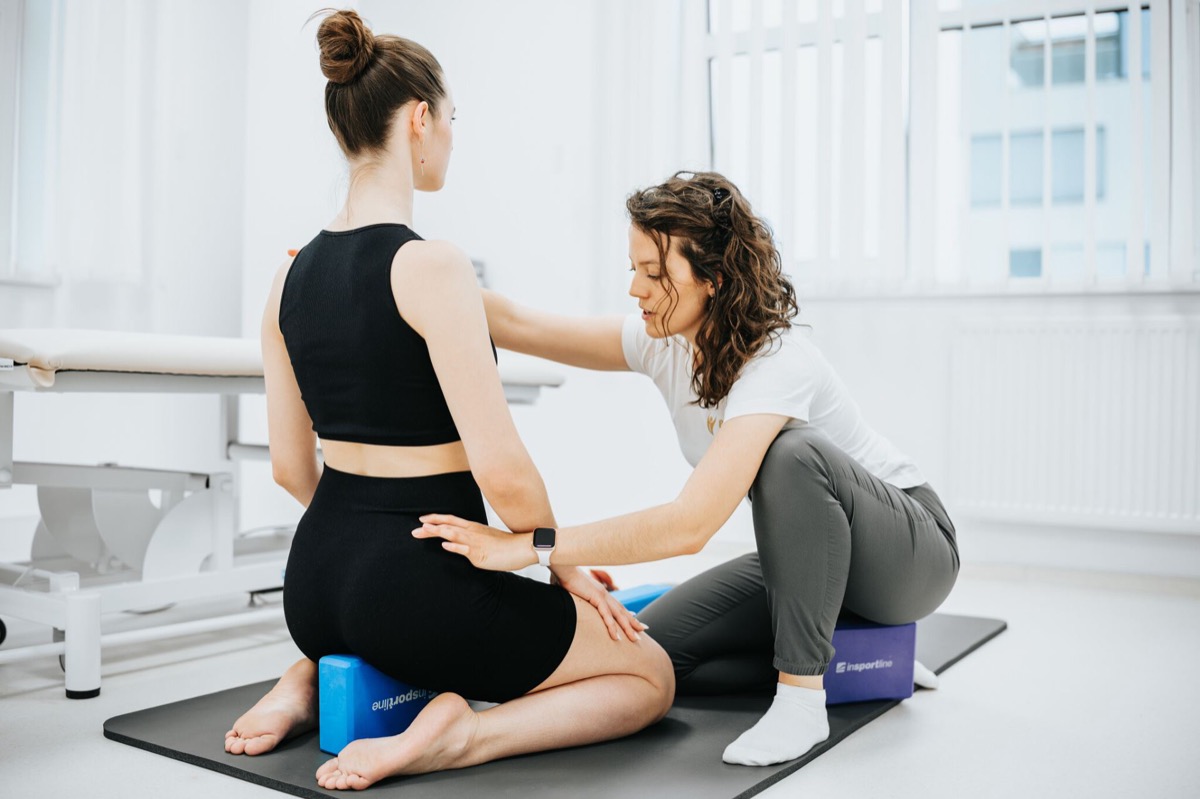
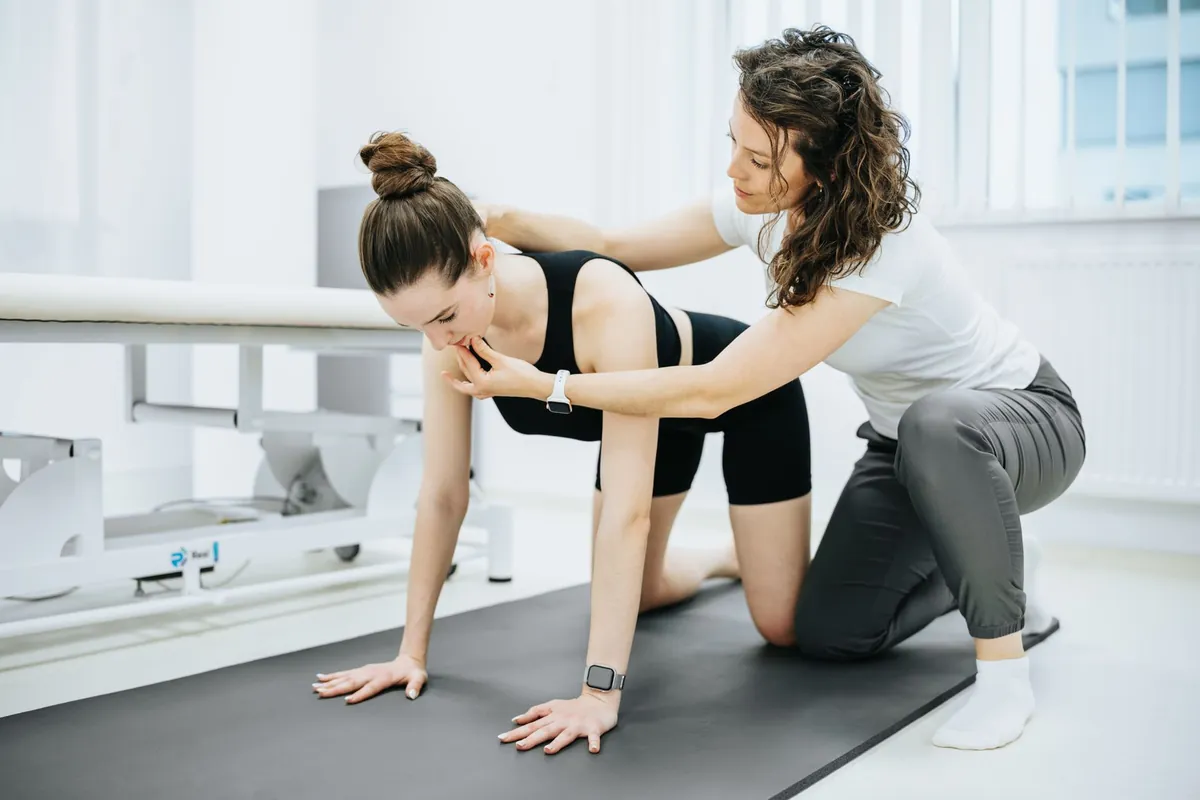
A physiotherapist correcting a client during a stabilisation exercise on a mat

How we work

Methods of general physiotherapy

The exact approach always follows from the initial examination. No single method suits everyone — we combine concepts and techniques according to your needs.

  • Dynamic Neuromuscular Stabilisation (DNS)

    A concept based on developmental kinesiology: muscle coordination in movement, the deep stabilising system, trunk stability and breathing.

  • Mobilisation techniques

    Targeted manual techniques for functional restrictions of joint and spinal mobility, combined with active exercise as needed.

  • Soft-tissue techniques

    Manual work on muscles, fascia and soft tissue — usually combined with active therapy rather than as passive treatment alone.

  • Individual therapeutic exercise

    One of the most important parts of care: exercises for strength, mobility, stability and coordination, with guidance on exercising correctly at home.

  • Device-assisted physiotherapy

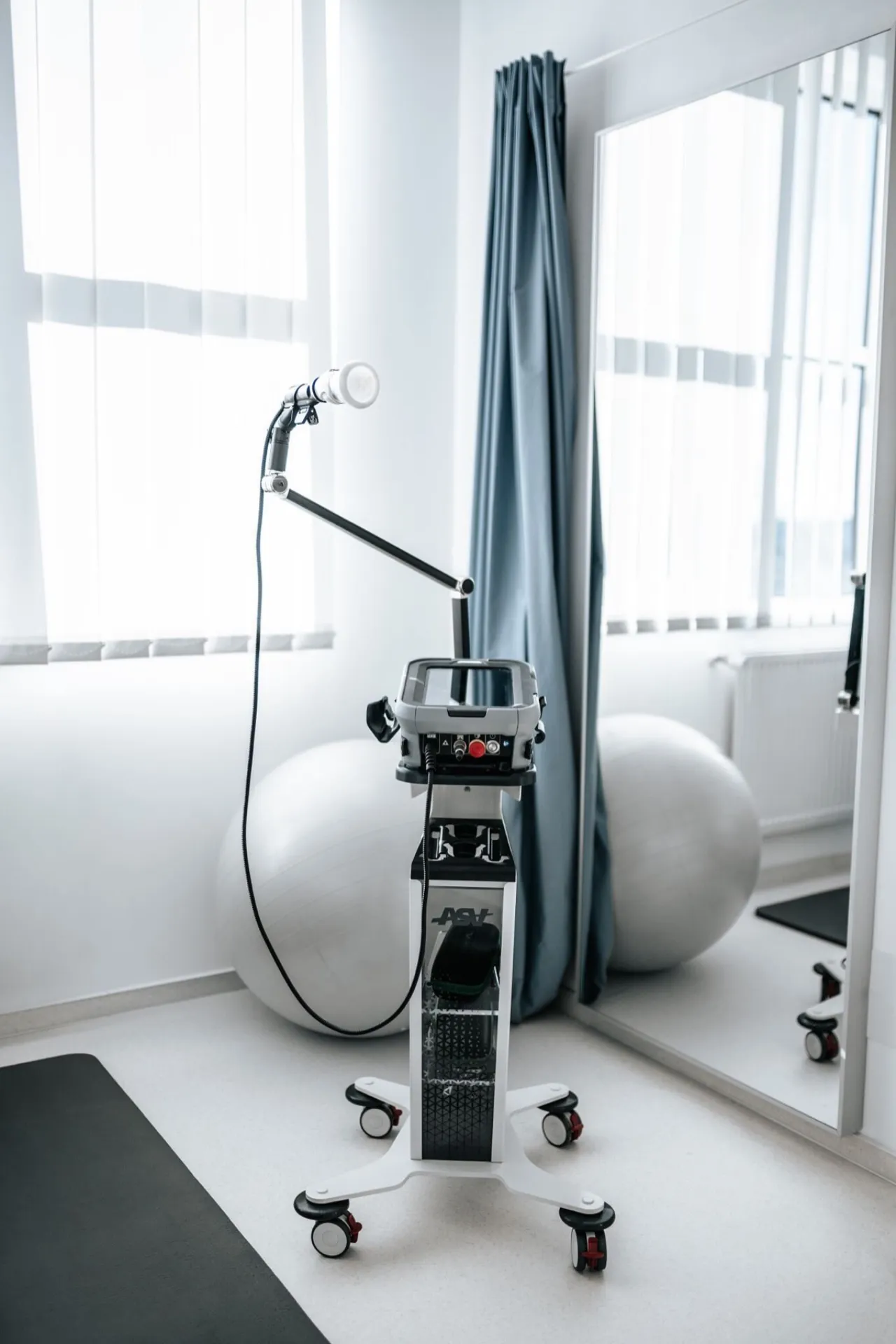
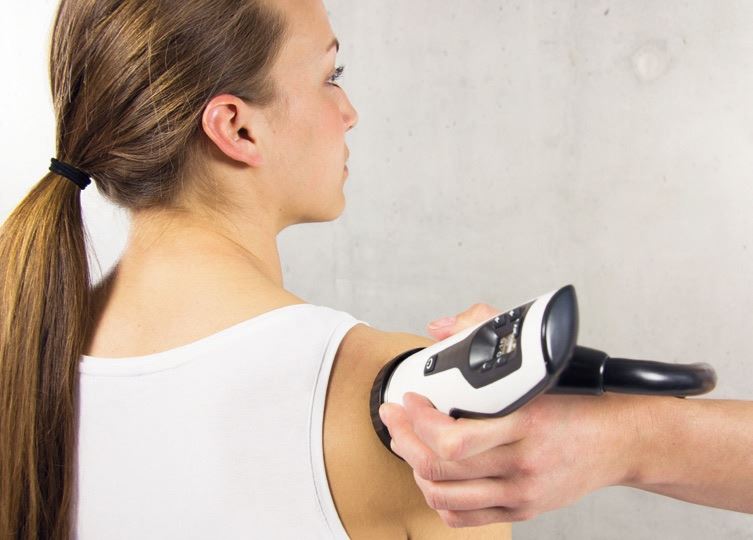
    High-power MLS laser and radial or focused shockwave — where indicated, not automatically at every visit.

What happens at your first visit

The first visit is about understanding your problems, examining your musculoskeletal system and proposing the next steps. It varies depending on whether you come with acute pain, long-term problems, after an injury or for prevention.

  1. 01

    Consultation and medical history

    The physiotherapist asks about your problems, how long they have lasted, how they started and any previous treatment.

    • Where and how it hurts
    • When it gets worse
    • Injuries and surgery
    • Work and movement habits
    • Sport and expectations
  2. 02

    Physiotherapy examination

    A functional assessment of posture, range of motion, muscle strength, coordination and stability — and of specific joints and muscles where needed.

  3. 03

    First therapy

    Depending on the findings, the first part of therapy may follow — manual techniques, movement training, breathing exercises or muscle activation. Sometimes a medical examination should come first.

  4. 04

    Exercises for home

    You receive recommendations for suitable exercises and habits — how to do the exercises correctly and how to increase the load gradually.

Results depend on you too

The success of physiotherapy often depends on regular cooperation. Long-term changes to movement habits take repetition and a gradual adjustment of load.

Healthy movement during the working day

Physiotherapy is not only for people in pain. A preventive check-up makes sense with a desk job, one-sided strain or for athletes. A few tips from our article:

  • Change position regularly — break up long sitting with short movement.
  • Take breaks: a short walk or a stretch helps reduce stiffness.
  • Adjust your workstation — monitor height, seating and easy reach of tools.
  • Combine aerobic activity, strength training and mobility exercise.
  • Increase the load gradually and in line with your current fitness.

Ergonomics and movement add to comfort, but changing position alone is not a universal solution to all back or neck pain.

When to see a doctor first

Some symptoms need a medical examination first, for example:

  • New or worsening pain after an injury
  • Pain with a fever or feeling generally unwell
  • Marked or progressively worsening muscle weakness
  • New, unusual or worsening headaches
  • Pain that seriously limits everyday functioning

Seek urgent care for: new loss of bladder or bowel control, numbness in the groin area, rapidly progressing limb weakness, or a sudden, extremely severe headache with speech, movement or consciousness problems.

Why choose us

Why physiotherapy at Bulovka Premium Clinic

Book online
  • An individual therapeutic approach

    We tailor examination and therapy to your problems, health and abilities. We address current limitations and add advice for everyday movement.

  • Modern physiotherapy methods

    DNS, mobilisation and soft-tissue techniques and individual exercise. Where indicated, also high-power laser or shockwave therapy.

  • Physiotherapy and dentistry under one roof

    For problems with the jaw joint or chewing muscles, cooperation between a physiotherapist and a dentist can help — both are at the same clinic.

  • Easy to reach

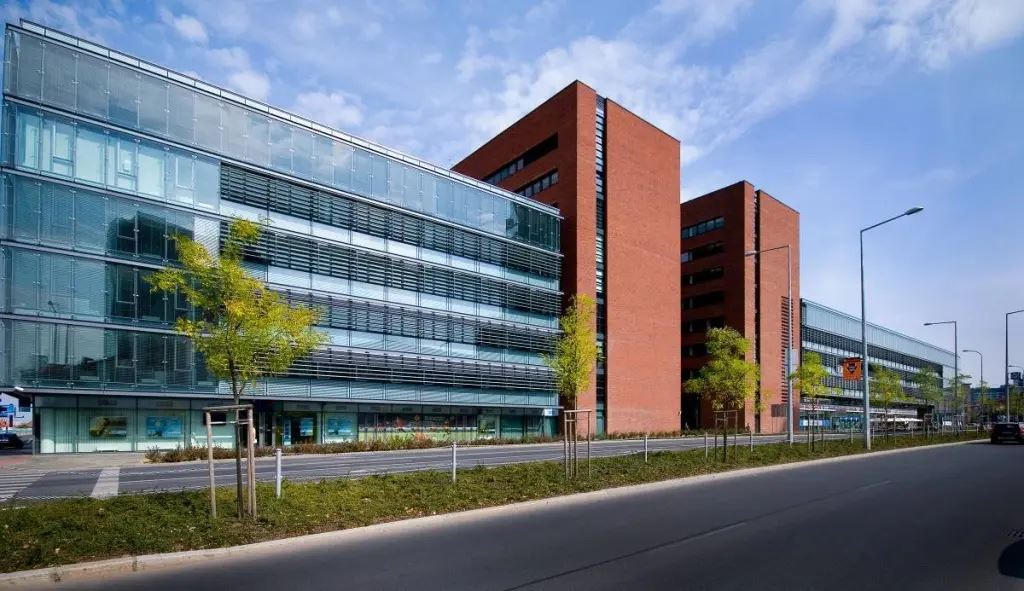
    Gemini A building, Na Pankráci 1683/127, Prague 4 — by Pankrác metro C station, for Prague 4 residents and people working in nearby offices.

Price and booking

Prices

Initial examination and therapy60 min
1 600 Kč
Follow-up therapy50 min
1 300 Kč

The number of sessions is individual — the physiotherapist will recommend the next steps after the first examination. Care is provided on a direct-payment basis — we have no contracts with health insurance companies for physiotherapy.

Book online in a few minutes

The booking system is in Czech — choose these items:

  1. 1

    Choose the clinic Fyzioterapie – Klinika PankrácPhysiotherapy – Pankrác Clinic

  2. 2

    Select the service Vstupní vyšetření – obecná fyzioterapieInitial examination – general physiotherapy

  3. 3

    Pick a time and briefly note what you would like to address

Before you come

How to prepare for your first session

No special preparation is needed — a few practical steps help.

No referral needed

You can book directly, without a recommendation from a GP or specialist.

  • Comfortable clothing that allows free movement and examination.
  • Medical reports related to your problems, such as X-ray or MRI results.
  • A clear picture of your symptoms: when they started and what triggers them.
  • Information about surgery, health limitations and current treatment.
  • Questions about exercise, workload or returning to sport.

First time at physiotherapy? There is no need to worry — the physiotherapist will explain each step and adapt it to your condition.

Questions about general physiotherapy

Didn’t find your answer? Write or call us — we’re happy to help.

Functional musculoskeletal disorders, back and joint pain, muscle overload, restricted mobility, rehabilitation after injuries and surgery, and prevention of problems caused by everyday strain.

No. You can book directly without a doctor’s recommendation. If you have medical reports related to your problems, please bring them.

Yes, it can be an important part of care for many acute and chronic back problems. The right approach depends on the cause, your health and the examination results.

Massage focuses mainly on manual work with soft tissue. Physiotherapy includes a professional functional examination, an individual plan, targeted exercise and manual techniques where appropriate.

The examination is adapted to your condition. Some tests or techniques may be uncomfortable if you are sensitive — the physiotherapist explains each step and respects your tolerance.

It varies — it depends on the type and duration of your problems, your health, the examination results and how you respond to therapy. We will recommend the next steps after the first examination.

Yes. Preventive physiotherapy is useful, for example, with a desk job, one-sided physical strain or when you want to improve your movement habits and coordination.

Yes, depending on the type of injury and the stage of healing. The rehabilitation plan must be adapted to your health and any restrictions set by your treating doctor.

We provide physiotherapy on a direct-payment basis. We have no contracts with health insurance companies for this care.

At our Pankrác clinic in Prague 4, in the Gemini A building at Na Pankráci 1683/127, near Pankrác metro station.

Physiotherapy does not replace a medical examination or treatment. If your symptoms point to another condition, a medical examination may be needed; migraine is a separate neurological condition that requires proper diagnosis and treatment.

Everything is described in detail in our article General physiotherapy: what it helps with and how it works.

You don’t have to just live with pain

Whether you are dealing with pain right now, recovering from an injury or want to look after your musculoskeletal system preventively, you can book directly — no doctor’s referral needed.

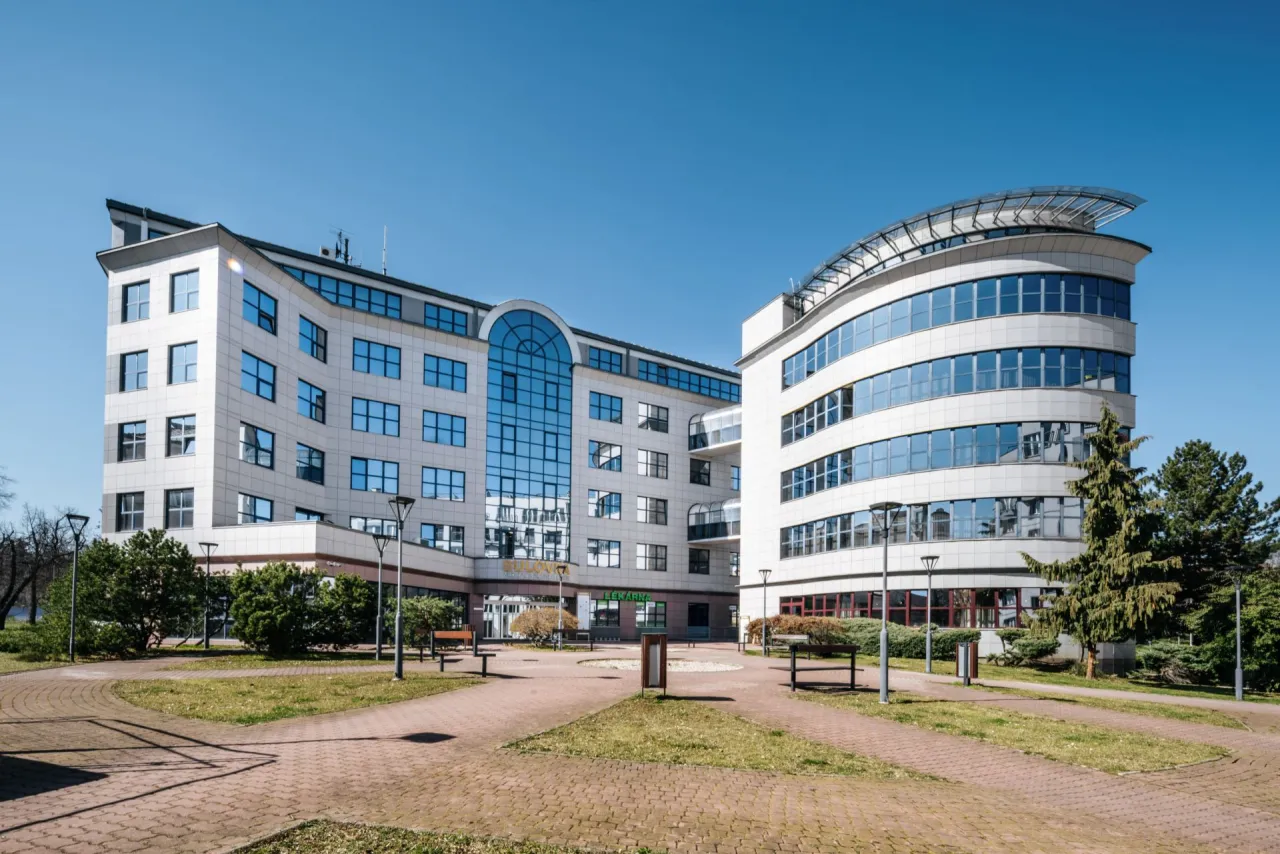
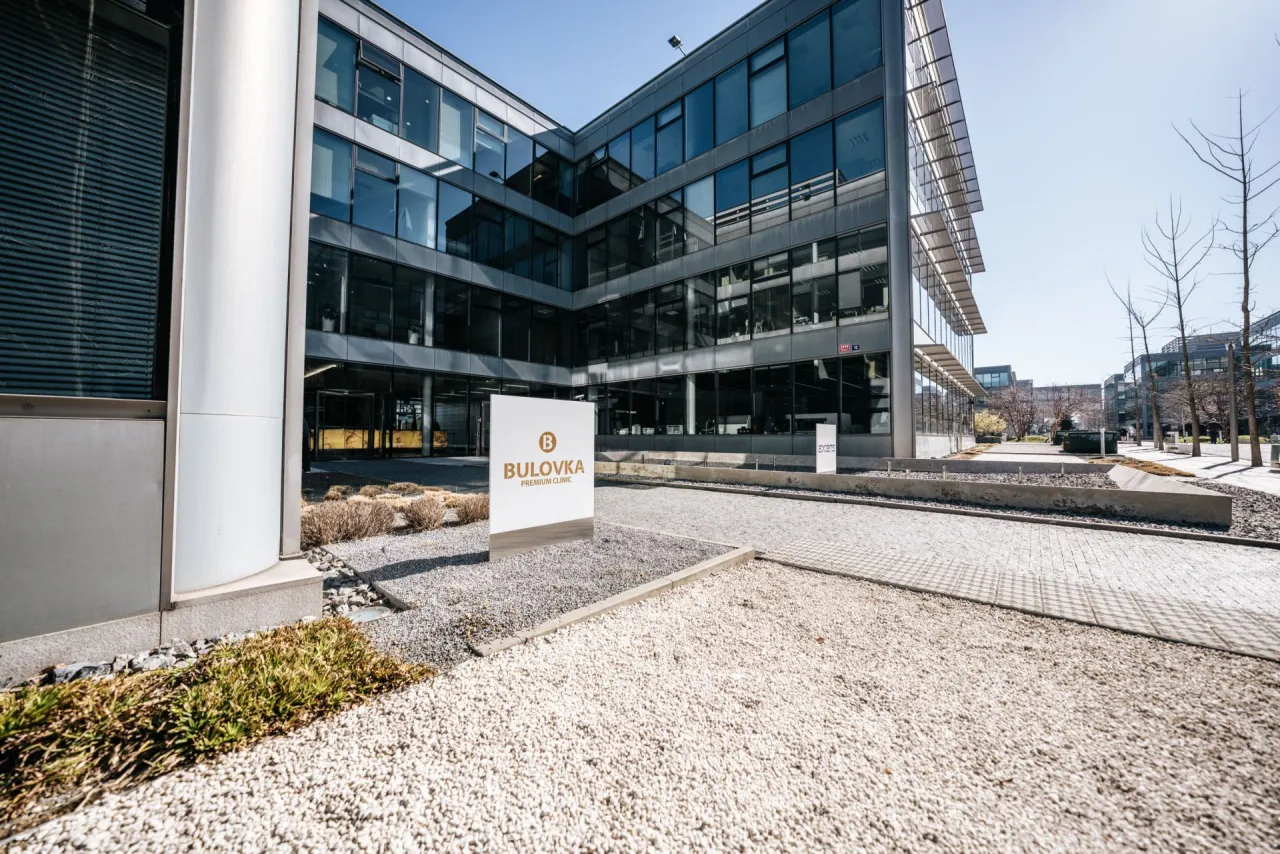
The Gemini A building in Pankrác, home of the clinic

Pankrác Clinic

Na Pankráci 1683/127, budova Gemini A, 140 00 Praha 4

  • Metro C → Pankrác station. The Gemini A building is right by the metro exit.
  • Bus 134, 188, 193 → Pankrác stop
  • Paid city parking applies nearby. The most convenient option is the Arkády Pankrác shopping centre car park — the first 2 hours are free. We have no reserved spaces for clients.
Directions in Google Maps

Part of Bulovka Premium Clinic

Three clinics. One standard of care.

Physiotherapy in Pankrác is part of Bulovka Premium Clinic — three clinics in Prague offering dentistry, dental hygiene, physiotherapy and a general practitioner under one brand.

Privacy and cookies

We use cookies so the website works properly and, with your consent, to analyse traffic and improve our services. You can change your decision at any time. Privacy policy