Skip to content
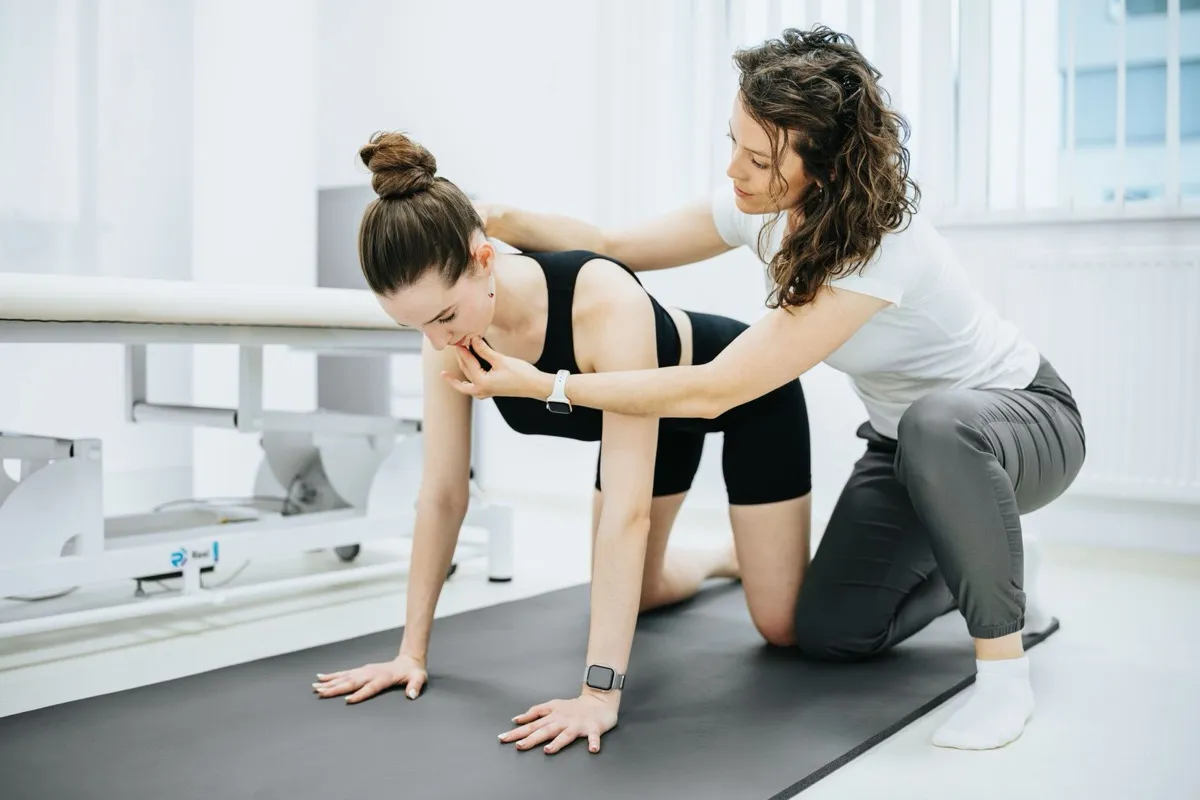
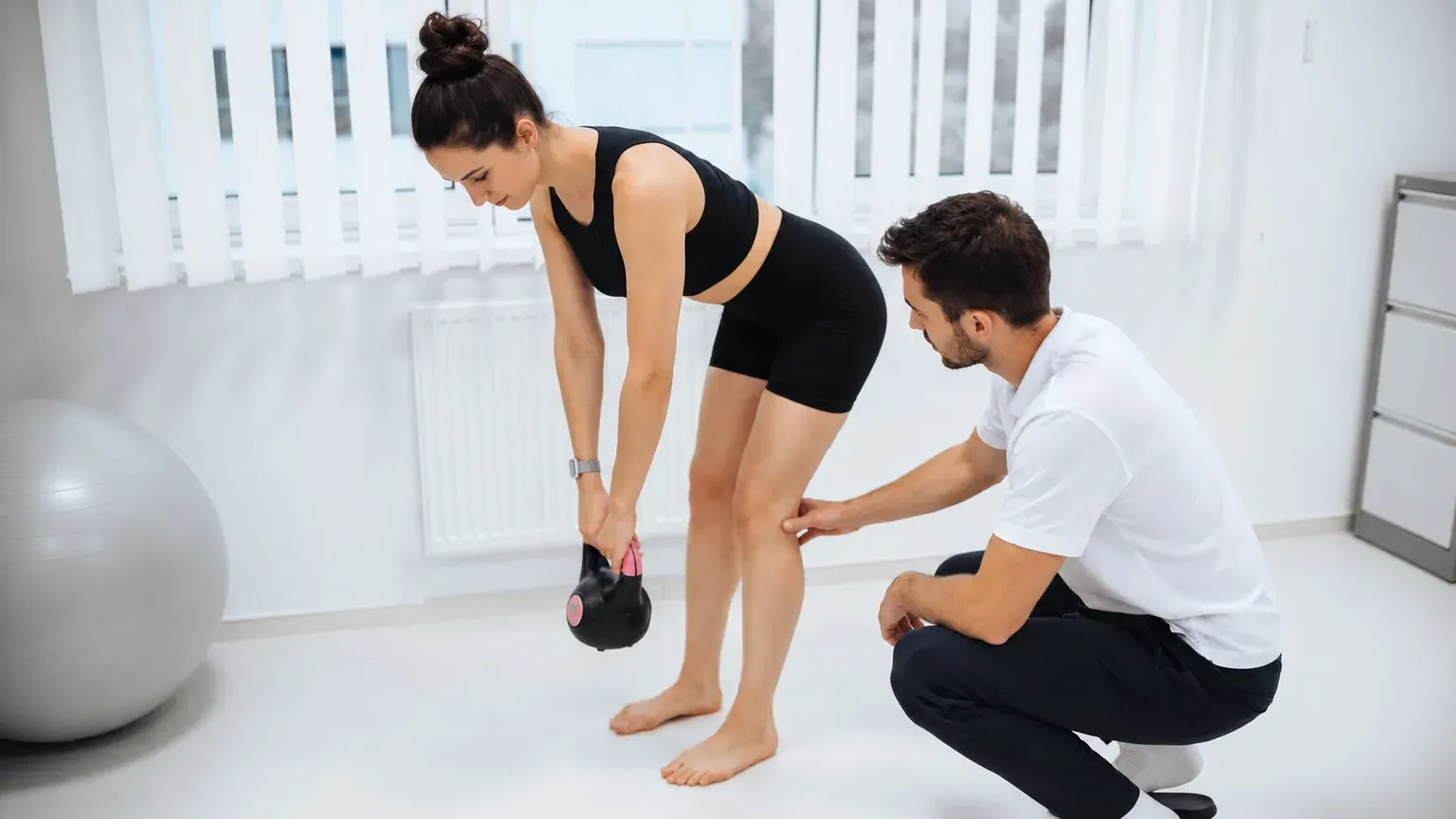
A physiotherapist in a white T-shirt crouching beside a client in sportswear as she bends forward to lift a kettlebell

Pankrác Clinic, Prague 4

Sports physiotherapyfor a safe return to sport

It helps address the effects of overload, supports rehabilitation after sports injuries and focuses on preventing recurring problems. The aim is not only to relieve pain but to find the possible causes and gradually restore proper musculoskeletal function.

4.7 out of 5 on Google

60 min

for the first visit: consultation, functional examination and therapy

No referral

book directly, without a doctor’s recommendation

Active therapy

exercise and manual techniques, plus laser or shockwave where needed

Metro C

close to Pankrác station, Gemini A building

What is sports physiotherapy and who is it for

Sports physiotherapy is a specialised branch of physiotherapy focused on preventing and dealing with problems related to sport. It takes into account the demands of each sport, training intensity, movement patterns and your overall fitness.

Unlike general rehabilitation, it places more emphasis on the requirements of your particular sport and on gradually preparing the musculoskeletal system to return to load.

It may suit recreational and competitive athletes, people after a sports injury or orthopaedic surgery, those with recurring overload of muscles, tendons or joints, and athletes without problems who want to focus on prevention. So it need not be just a reaction to an injury — it can also complement regular training.

Sports physiotherapy and the jaw joint

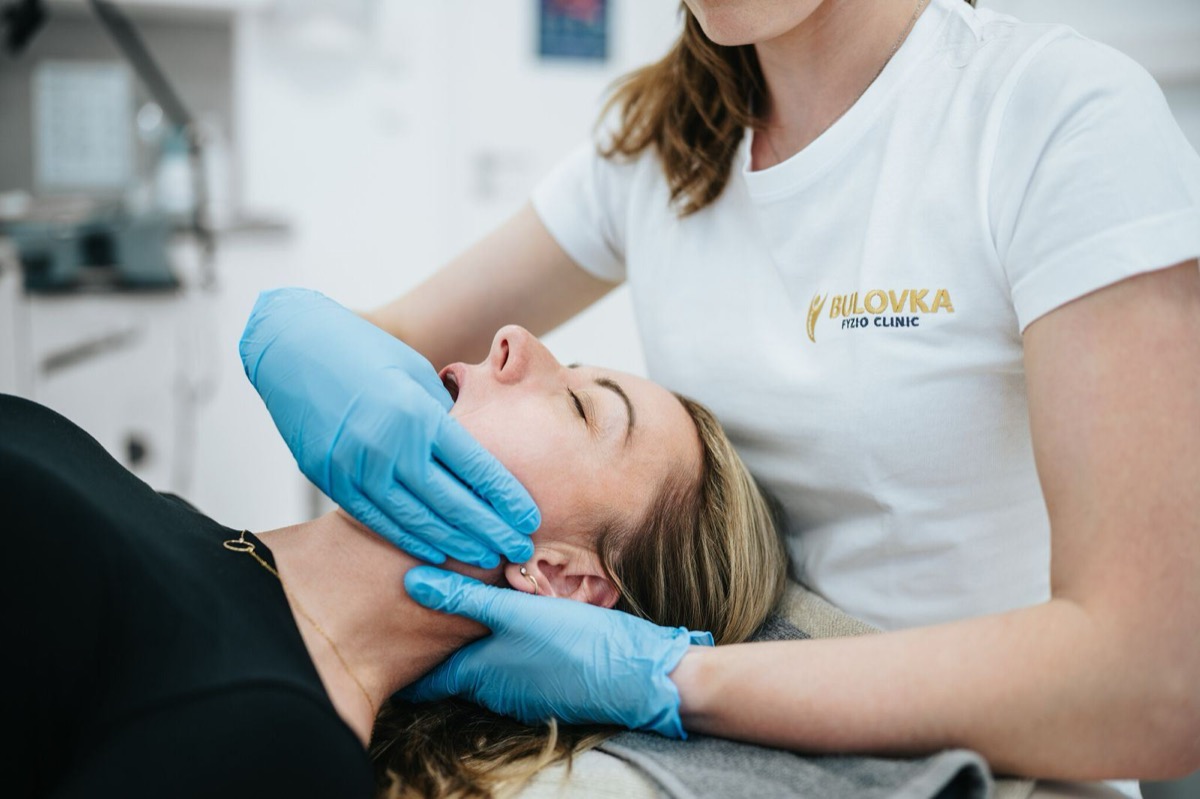
Sport can also lead to excessive tension in the muscles of the head, neck and jaw joint — some athletes unconsciously clench their teeth during intense effort.

At our Pankrác clinic we also provide jaw joint physiotherapy. Where appropriate, the physiotherapist may also consider the links between the jaw joint, the cervical spine and muscle tension during the examination.

What sports physiotherapy can help with

Sport puts different demands on the musculoskeletal system. Runners often load their lower limbs, strength training can cause problems in the back, shoulders or joints, and long-term one-sided strain can lead to overload and restricted movement.

Acute sports injuries

Joint sprains, muscle strains or tears, and ligament or tendon injuries. Rehabilitation gradually restores mobility, strength, stability and coordination — timing the load correctly matters, as returning too quickly can lead to repeated overload.
Chronic overuse problems

Recurring pain in the knees, shoulders, back, hips or Achilles tendon. The cause is not always where it hurts, so we also assess movement patterns, coordination, mobility and stability and suggest measures that help reduce the risk of recurrence.

Rehabilitation after surgery and return to sport

After orthopaedic surgery, we gradually restore range of motion, strength, stability and coordination. Rehabilitation follows the type of procedure, your treating doctor’s recommendations and your condition.

Sports injury prevention

A functional examination can reveal movement limitations, muscle imbalances or unsuitable habits that contribute to overload. Care may include compensatory exercises, adjusting movement patterns and education on recovery and training load.

Recovery and sports performance

Insufficient rest, one-sided strain or poorly structured training can affect movement quality and performance. Physiotherapy can help with compensation, mobility, stabilisation and coordination, complemented by manual and myofascial techniques.

How we work

Which therapeutic methods do we use in sports physiotherapy?

We combine modern physiotherapy techniques with an individual approach. Specific methods are chosen according to the examination results, the nature of your problems and your needs — no single method suits every athlete.

Active physiotherapy and manual techniques

The foundation is active work with movement: DNS according to Prof. Kolář, the McKenzie method, mobilisation and soft-tissue techniques, fascial therapy and individual therapeutic exercise tailored to your sport.

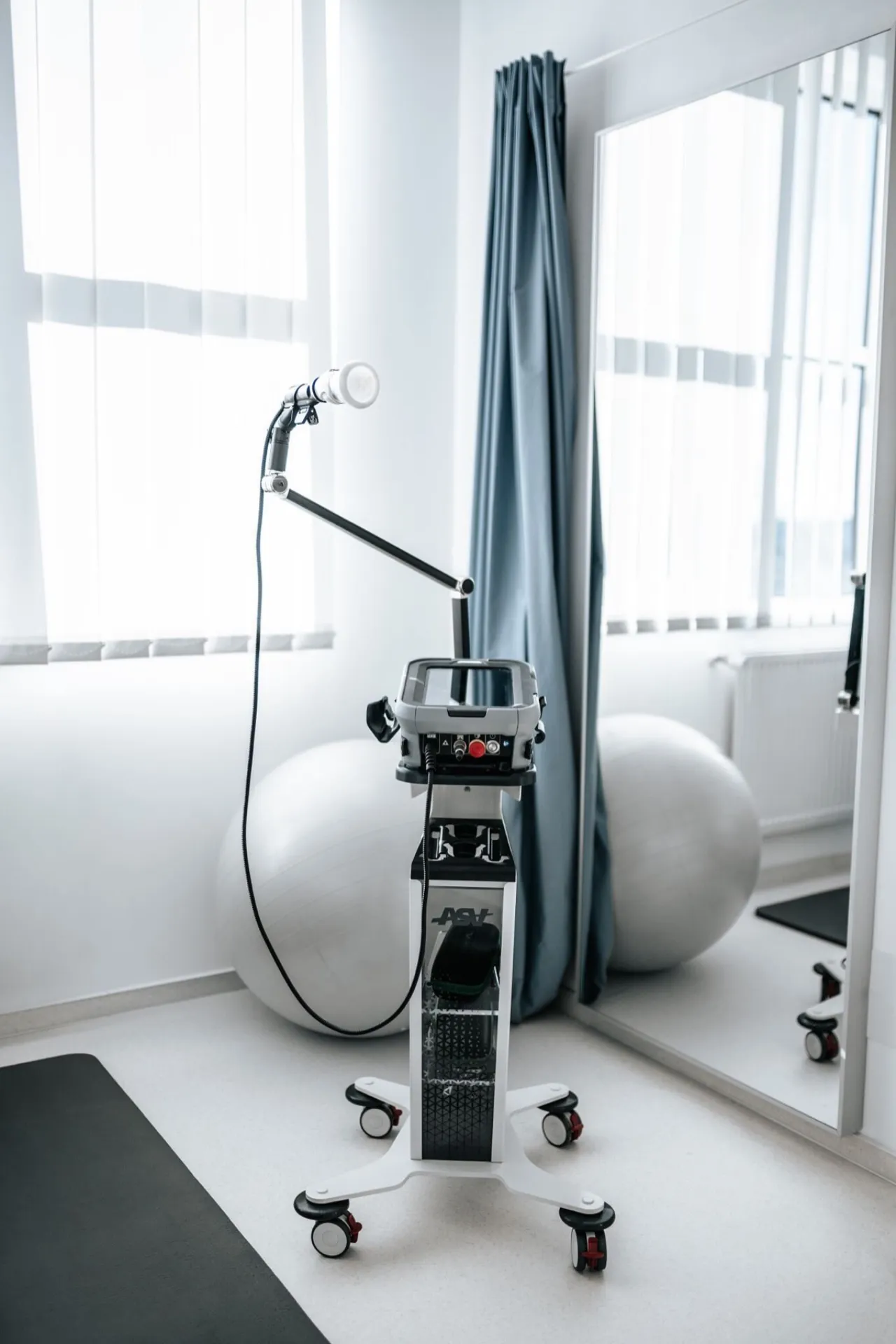
High-power laser

A non-invasive method using light energy. Where indicated, it can complement care for selected painful conditions — a specialist assesses suitability, and the device does not replace active rehabilitation.

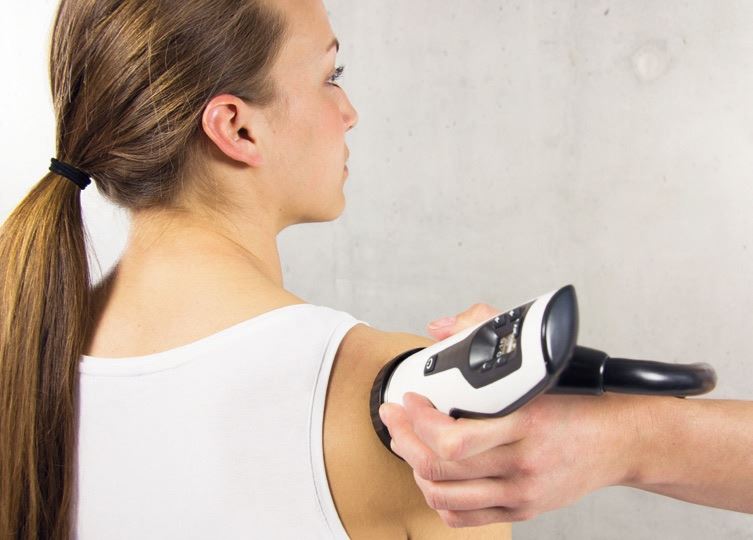
Storz Medical shockwave

Used for selected musculoskeletal problems, especially certain chronic conditions linked to tissue overload. Its use always depends on the findings, the indication and any contraindications.

Device-based methods are not an automatic part of therapy — their use always depends on your individual therapy plan and is combined with exercise.

How sports physiotherapy works

Everyone comes with different needs — some are dealing with the after-effects of an injury, others with long-term overload or returning to training after surgery. That is why we approach therapy individually.

  1. 01

    Initial consultation and medical history

    The physiotherapist finds out about the nature of your problems, how they developed, previous injuries and your current activity. Your sporting goals, training intensity and any previous examinations matter too.

  2. 02

    Functional examination

    The examination focuses on mobility, muscle strength, stability, coordination and movement quality, including limitations related to your sport.

    • Joint range of motion
    • Muscle strength and coordination
    • Stability and balance
    • Posture and movement patterns
    • Sport-specific limitations
    • Response to movement tasks
  3. 03

    Individual therapy plan

    Based on the examination, the physiotherapist recommends an approach — active exercise, manual techniques, work on mobility and stability or selected device-based methods — adapted to your current abilities and sporting goals.

  4. 04

    Home exercise and training load

    You receive advice on continuing exercise at home, adjusting your training load or adding suitable compensation exercises. Regular cooperation and your active involvement are an important part of the whole rehabilitation process.

Returning to sport based on how your body functions

Recovery time is individual — it depends on the injury, the course of healing, your overall health and the demands of your sport. A return to full load should be based on restored musculoskeletal function, not just on the number of weeks since the injury or surgery.

Why choose us

Why sports physiotherapy at Bulovka Premium Clinic

Book online
  • An individual approach and enough time

    We tailor therapy to your sport, your problems and your goals, and aim to leave enough room for the examination, explaining the approach and the therapy itself.

  • An active approach to rehabilitation

    We use active exercise and elements that match the demands of your sport, gradually working on mobility, stability, coordination and load in line with your current abilities.

  • Modern equipment

    We combine active physiotherapy, manual techniques and, where needed, device-based methods such as high-power laser or shockwave therapy. The approach is chosen after a professional examination.

  • Early appointments online

    Because we work privately, we can offer early appointments. You can easily book online.

  • Easy to reach in Pankrác

    The modern Gemini A building near Pankrác station on metro line C. If you come by car, you can park nearby, for example at the Arkády Pankrác shopping centre.

Price and booking

Prices

Initial examination and therapy60 min
1 600 Kč
Follow-up therapy50 min
1 300 Kč
5× follow-up physiotherapy (50 min)
6 000 Kč

The physiotherapist will recommend the next steps and the number of sessions based on the examination and your sporting goals. Care is provided on a direct-payment basis — we have no contracts with health insurance companies for physiotherapy.

Book online in a few minutes

The booking system is in Czech — choose these items:

  1. 1

    Choose the clinic Fyzioterapie – Klinika PankrácPhysiotherapy – Pankrác Clinic

  2. 2

    Select the service Vstupní vyšetření – sportovní fyzioterapieInitial examination – sports physiotherapy

  3. 3

    Pick a time and briefly note what you would like to address

Before you come

How to prepare for your first visit

No special preparation is needed — a few practical steps help.

No referral needed

You can book directly, without a recommendation from a GP or specialist.

  • Comfortable clothing that allows free movement and examination.
  • Medical reports related to your problems, for example from previous examinations or after surgery.
  • A clear picture of your symptoms: when they started, what triggers them and how often you train.
  • Information about previous injuries, surgery and current treatment.
  • Questions about exercise, training load or returning to sport.

First time at physiotherapy? There is no need to worry — the physiotherapist will explain each step and adapt it to your condition.

Questions about sports physiotherapy

Didn’t find your answer? Write or call us — we’re happy to help.

Yes. It is not only for professional athletes — it can also suit runners, gym-goers, cyclists or anyone who is regularly active.

It depends on the type and severity of the injury. For some problems, targeted physiotherapy can start relatively early; more serious injuries first need a medical examination and a treatment plan.

It is individual and depends on the injury, the course of healing, your overall health and the demands of your sport. A safe return should be based on restored musculoskeletal function and readiness for a gradual increase in load.

Yes. Physiotherapy can also be preventive — it helps assess movement patterns, stability, mobility and other factors that may affect movement quality or the risk of overload.

No, you can book without a doctor’s referral. The service is provided on a direct-payment basis.

Depending on your problems and the examination results, the physiotherapist may also recommend selected device-based methods. Their use is not automatic and always depends on your individual therapy plan.

Physiotherapy after an injury may follow on from a medical examination or ongoing treatment — more serious injuries first require a medical examination and a treatment plan. Device-based treatment does not replace comprehensive rehabilitation and active work with movement.

Everything is described in detail in our article Sports physiotherapy in Pankrác: injuries, overuse and a safe return to sport.

Book sports physiotherapy in Pankrác

Whether you are dealing with the after-effects of an injury, long-term overload or want to improve the quality of your movement, the physiotherapist will assess your musculoskeletal system and propose an approach based on your needs and goals.

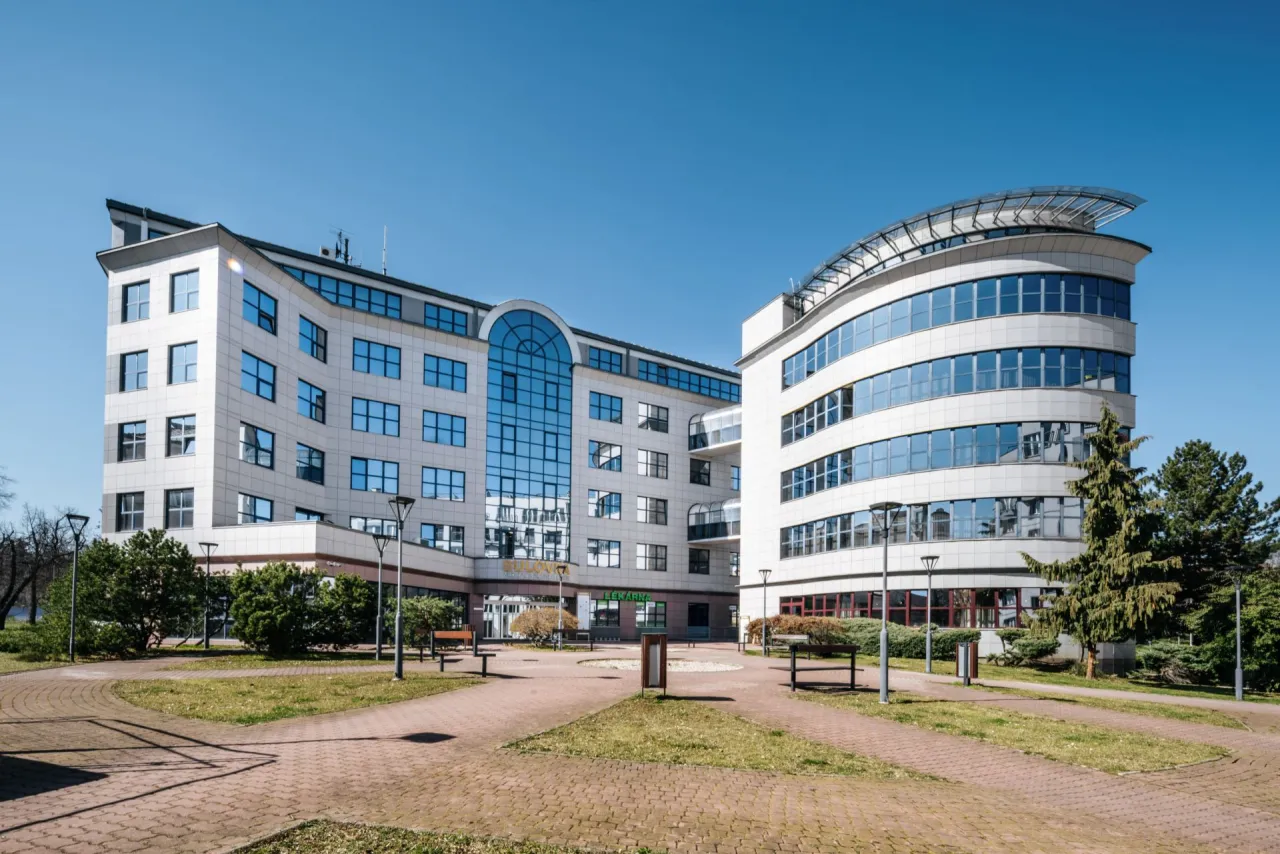
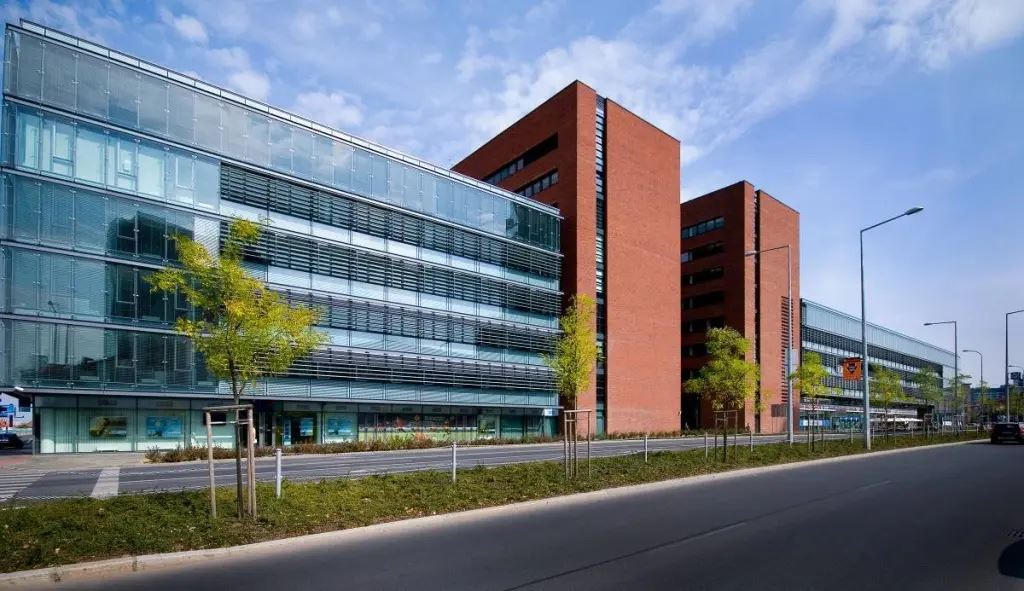
The Gemini A building in Pankrác, home of the clinic

Pankrác Clinic

Na Pankráci 1683/127, budova Gemini A, 140 00 Praha 4

  • Metro C → Pankrác station. The Gemini A building is right by the metro exit.
  • Bus 134, 188, 193 → Pankrác stop
  • Paid city parking applies nearby. The most convenient option is the Arkády Pankrác shopping centre car park — the first 2 hours are free. We have no reserved spaces for clients.
Directions in Google Maps

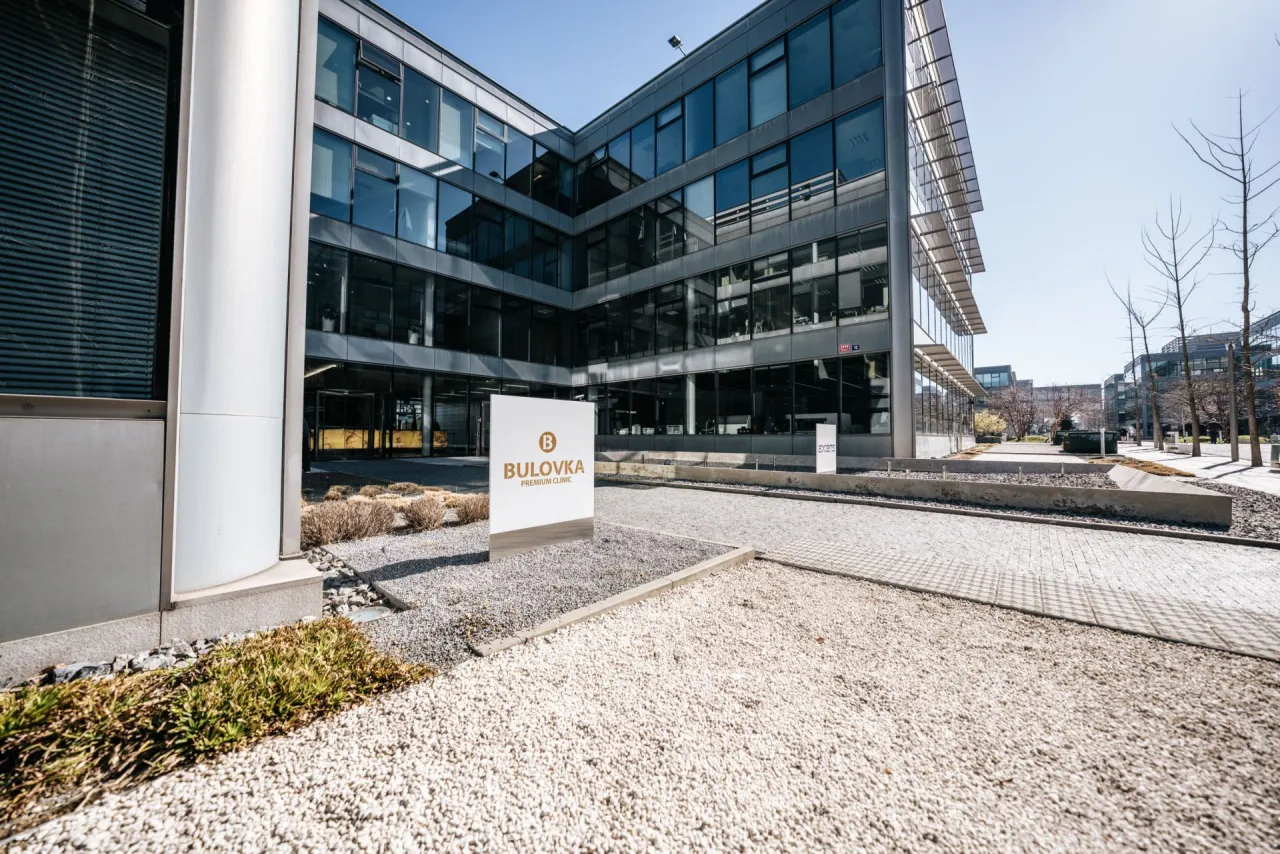
Part of Bulovka Premium Clinic

Three clinics. One standard of care.

Physiotherapy in Pankrác is part of Bulovka Premium Clinic — three clinics in Prague offering dentistry, dental hygiene, physiotherapy and a general practitioner under one brand.

Privacy and cookies

We use cookies so the website works properly and, with your consent, to analyse traffic and improve our services. You can change your decision at any time. Privacy policy