Skip to content
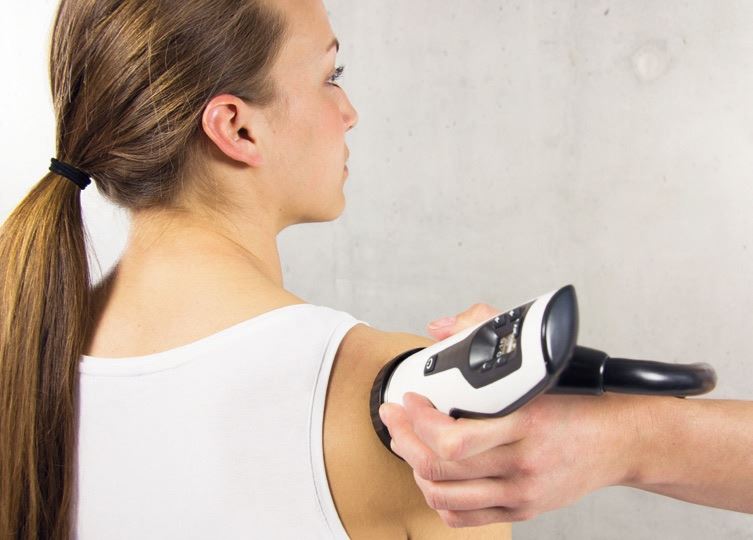
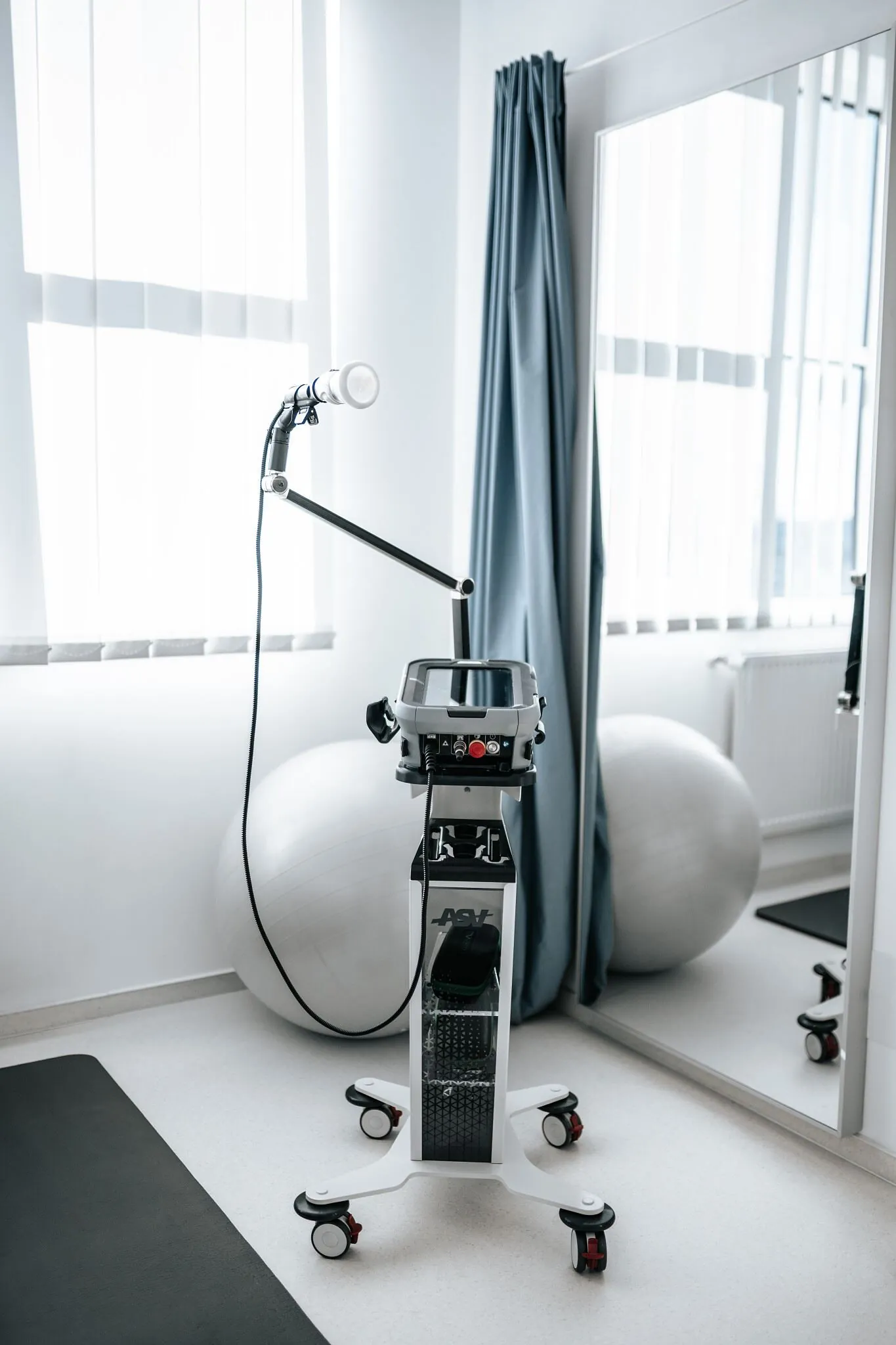
The M-Hi high-power MLS® laser on a mobile stand with an arm in a bright physiotherapy room

Pankrác Clinic, Prague 4

High-power MLS laserto complement physiotherapy

The laser uses light energy to act on tissues and, depending on the nature of the problem, may help reduce pain and complement physiotherapy for back, tendon or joint problems. A certified therapist always assesses whether the method is suitable before treatment.

4.7 out of 5 on Google

20 min

standalone laser session, or 50 min with physiotherapy

No referral

book directly, without a doctor’s recommendation

MLS® M-Hi

high-power laser, applied by a certified therapist

Metro C

right by the Pankrác station exit, Gemini A building

What is a high-power laser

A high-power laser is a device that uses concentrated light energy for therapeutic action on tissues. In physiotherapy, it is used mainly as a complementary method for selected painful and functional musculoskeletal conditions.

The nature of its effect depends on the wavelength, power, energy dose and other device parameters. Unlike lasers used in surgery, its goal is not to cut or remove tissue — the therapy uses light energy to influence biological processes in the treated area.

Laser therapy as part of comprehensive physiotherapy

With musculoskeletal pain, it is important to focus not only on current symptoms but also on their possible functional context. That is why we see the laser as one way of complementing individual physiotherapy — depending on the examination, it can be combined with therapeutic exercise, mobilisation and soft tissue techniques, work on coordination and stability, or adjusting movement habits.

For many musculoskeletal problems, active rehabilitation is an essential part of treatment. Device-based methods generally complement it rather than replace it.

What a high-power laser may help with

A high-power laser can be part of conservative care for selected injuries, painful conditions and functional musculoskeletal problems. Whether it is suitable is decided by a specialist based on your health, the nature of the problem and any contraindications.

Acute muscle, tendon and ligament injuries

For some injuries, the laser can complement rehabilitation. It does not replace diagnosis, gradual loading or exercise, though — after a more serious injury, a fracture or other serious damage must be ruled out first.

  • Muscle strain or overload
  • Selected soft tissue injuries
  • Rehabilitation after an ankle sprain
  • Pain related to sports strain
Tendon insertion pain and chronic overload

Tennis and golfer’s elbow, Achilles tendon problems or heel pain. Here the laser can be a complementary method aimed at reducing pain, but it is usually not a stand-alone solution — with chronic tendinopathies, appropriately dosed tendon loading is the basis. It is therefore combined with, for example:

  • Targeted strengthening of muscles and tendons
  • Adjusting work or sports strain
  • Manual techniques based on findings
  • Training appropriate movement patterns

Acute and chronic back pain

For some patients, the laser can complement physiotherapy aimed at relieving neck, mid-back or lower back pain; improving mobility and targeted exercise usually matter too. Not every back pain is suitable for laser therapy — with significant neurological symptoms or a suspected more serious illness, a medical examination is needed first.

Joint pain and osteoarthritis

For some patients, it complements conservative treatment of the knees, hips or smaller joints, aiming to reduce pain and improve comfort during movement. Regular, appropriate exercise remains the basis; the laser does not demonstrably restore damaged cartilage, nor does it guarantee that osteoarthritis will stop progressing.

Carpal tunnel syndrome and other entrapment syndromes

Tingling fingers, changes in sensation or pain that often gets worse at night. Laser therapy has been studied as a complementary method, but its benefit has not been clearly proven in all patients. It does not replace an examination of nerve damage, nor does it guarantee that surgery will not be needed.

Scar care and post-surgical conditions

Based on individual assessment, the laser can be part of care for some scars after surgery or injury. It cannot be claimed, however, that it prevents adhesions or ensures a soft, supple scar; a fresh surgical wound always requires assessment and following the treating doctor’s advice.

MLS® technology

How MLS® technology works

At our clinic we use the M-Hi high-power laser with MLS® (Multiwave Locked System) technology, which works with the coordinated action of laser radiation.

Photobiomodulation

The MLS laser uses the principle of photobiomodulation: light energy may influence certain cellular processes related to metabolism and the tissue’s response to strain or damage.

What research examines

Scientific literature examines the effect of laser energy on mitochondrial processes, cell signalling, and mechanisms related to pain and the inflammatory response.

Strength of evidence

Current clinical studies suggest a possible benefit of laser therapy for some musculoskeletal conditions. The quality and strength of the evidence, however, vary between diagnoses.

Realistic expectations

Laser therapy does not mean immediate pain relief or guaranteed faster healing. Results depend on the specific diagnosis, the parameters used and the individual response.

How laser treatment works

Laser therapy is a non-invasive method: the therapist applies light energy to a selected area of the body using a special device. In Pankrác, always under the supervision of a certified therapist.

  1. 01

    Initial health assessment

    Before the first session, the therapist assesses the nature of your problem, how long it has lasted and any health complications. This includes checking for contraindications to laser therapy.

    • previous injuries
    • surgery
    • current treatment
    • medical examinations
  2. 02

    Preparing for the session

    Depending on the area being treated, you lie down or sit in a suitable position — the area must be accessible to the laser. Eye protection is used and the therapist sets the device parameters.

  3. 03

    The laser therapy itself

    The therapist gradually applies laser radiation to the designated area, and you may feel mild warmth. The treatment should not cause significant pain or burning — if it does, tell the therapist straight away.

  4. 04

    Recommendations and rehabilitation plan

    As needed, the therapist recommends suitable exercises, adjusting your activity or follow-up physiotherapy. The number of sessions depends on your condition and treatment plan; the outcome cannot be guaranteed in advance and immediate relief after the first session is not the rule.

How long laser therapy takes

We offer a standalone 20-minute laser treatment as well as physiotherapy combined with laser therapy. The laser itself may act for less time than the booked appointment — the slot also includes preparation, a health check and further recommendations.

When laser therapy may not be suitable

When properly indicated and professionally performed, laser therapy is a widely used non-invasive method — but that does not mean it suits everyone. A professional assessment is particularly important in cases such as:

  • Pregnancy, especially when the abdomen or pelvis is to be treated
  • Active cancer or a suspicious lesion at the treatment site
  • Increased light sensitivity or use of photosensitising medication
  • An unclear cause of significant pain or other serious symptoms
  • Other conditions listed among the limitations of the device

The decision is always made by a qualified specialist. If a further medical examination is needed, the treatment may be postponed or replaced with another approach.

Why choose us

Why laser therapy at Bulovka Premium Clinic

Book online
  • Modern MLS® technology

    The M-Hi high-power laser with MLS® technology allows professionally calibrated application of laser radiation.

  • Treatment by a certified therapist

    The therapist first assesses whether the treatment is suitable and checks for contraindications.

  • Option to combine with physiotherapy

    Depending on your condition, the laser can be part of a broader rehabilitation plan with targeted exercise or manual techniques.

  • Easy to reach in Pankrác

    The clinic is in the Gemini A building, close to Pankrác metro station (line C).

Price and booking

Prices

Laser (20 min)
590 Kč
Physiotherapy with laser therapy50 min
1 650 Kč
5× laser application (5× 20 min)
2 700 Kč
5× follow-up physiotherapy with laser treatment (50 min)
8 000 Kč

The number of sessions is individual — it depends on the nature and duration of your problem and the chosen approach. The therapist will recommend a suitable frequency. Care is provided on a direct-payment basis — we have no contracts with health insurance companies for physiotherapy.

Book online in a few minutes

The booking system is in Czech — choose these items:

  1. 1

    Choose the clinic Fyzioterapie – Klinika PankrácPhysiotherapy – Pankrác Clinic

  2. 2

    Select the service LaserLaser therapy

  3. 3

    Pick a time and briefly note what you would like to address

The therapist always assesses your health and contraindications before treatment. If you are coming to us for the first time or are not sure whether laser therapy suits your condition, choose “Vstupní vyšetření – obecná fyzioterapie” (initial examination – general physiotherapy); the physiotherapist will then decide on the laser based on the examination.

Before you come

What to prepare

Before treatment, it is important to tell the therapist about your current health, any medication you take and any more serious illnesses.

No referral needed

You can book directly, without a recommendation from a GP or specialist.

  • Comfortable clothing that leaves the treated area easy to access
  • Medical reports and test results, if you have them
  • A list of medication you take — some can increase light sensitivity
  • Information on previous injuries, surgery and current treatment
  • When your problem started and how long it has lasted

Frequently asked questions about high-power laser therapy

Didn’t find your answer? Write or call us — we’re happy to help.

It can be part of rehabilitation care for selected back, tendon insertion, joint and soft tissue pain, or in the care of certain scars. Whether it is suitable depends on your specific health condition.

The treatment is non-invasive and generally involves no painful procedure. Depending on the settings and area, you may feel mild warmth. Any significant pain or burning must be reported to the therapist immediately.

Some patients notice a change after the first few sessions; for others, the effect may be more gradual or less pronounced. The result depends on the diagnosis, the therapy parameters and the individual response.

The number of treatments is individual. It depends on the nature and duration of the problem and the chosen therapeutic approach. The therapist will recommend a suitable frequency and number of sessions.

The laser uses light energy, while shockwave therapy works through mechanical acoustic pulses. They are different methods with different indications; the choice depends on your specific problem and the examination results.

After an uncomplicated treatment, the laser itself usually requires no special recovery. Any restrictions on sport or other activity depend mainly on the injury or condition being treated.

No. You can book without a referral. The therapist will, however, assess your health and any contraindications before the treatment.

No. We provide laser therapy on a direct-payment basis — we have no contracts with health insurance companies for physiotherapy care.

Laser therapy does not replace a medical examination, the diagnosis of an injury or active rehabilitation. After a more serious injury, with significant neurological symptoms or if a more serious illness is suspected, please see a doctor first.

Everything is described in detail in our article High-Power MLS Laser: How It Works and When It Helps.

Find out whether the laser is right for you

Every treatment is preceded by an assessment of whether the chosen approach is suitable. If needed, the laser can be combined with other physiotherapy care.

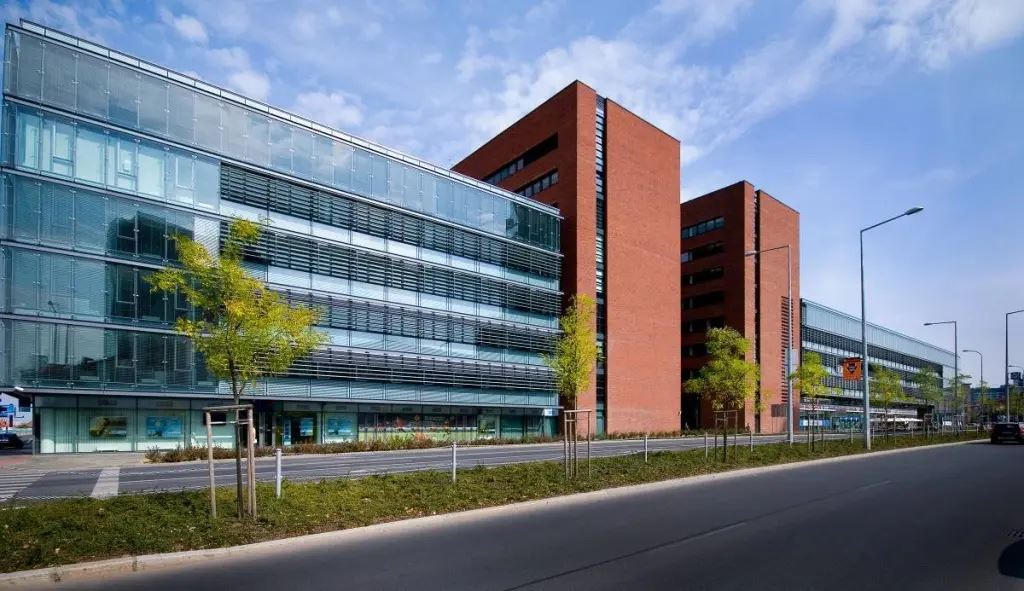
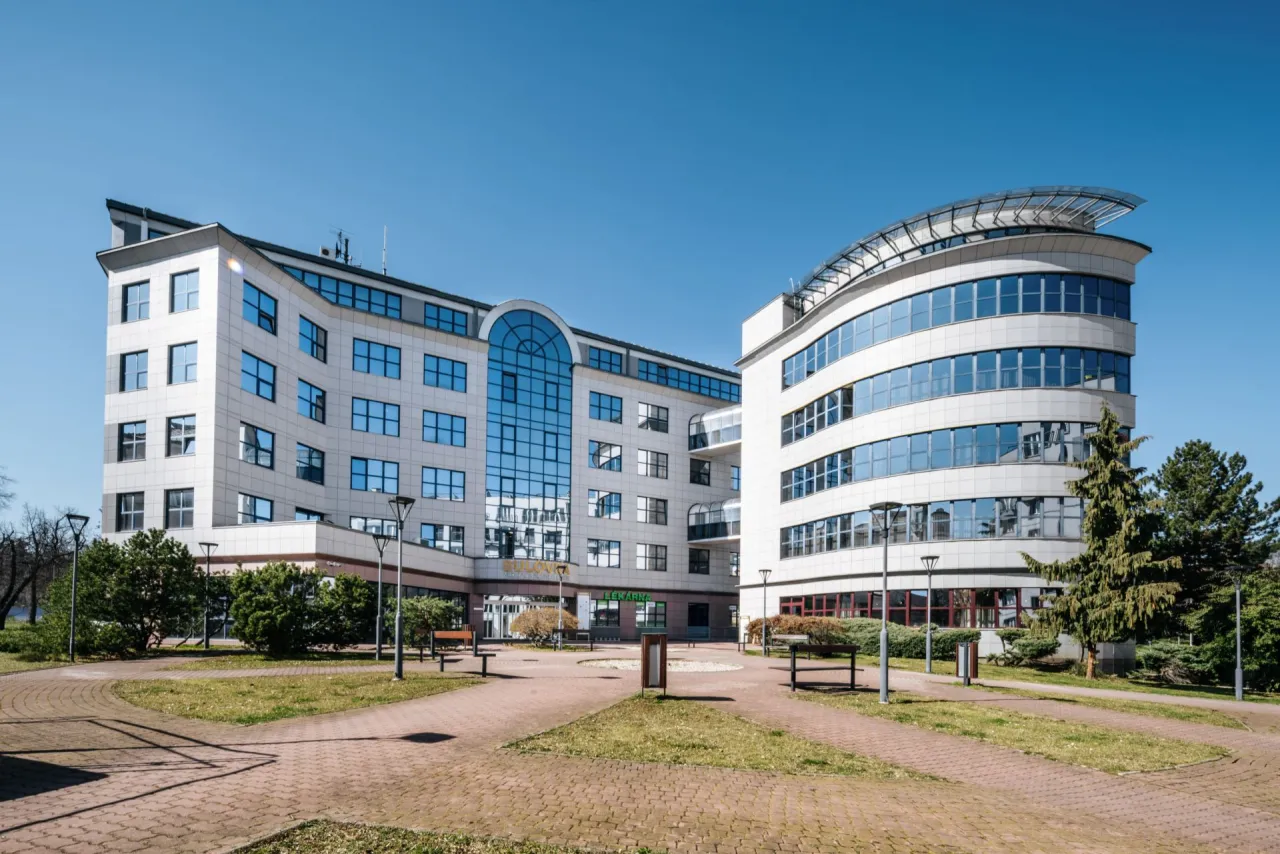
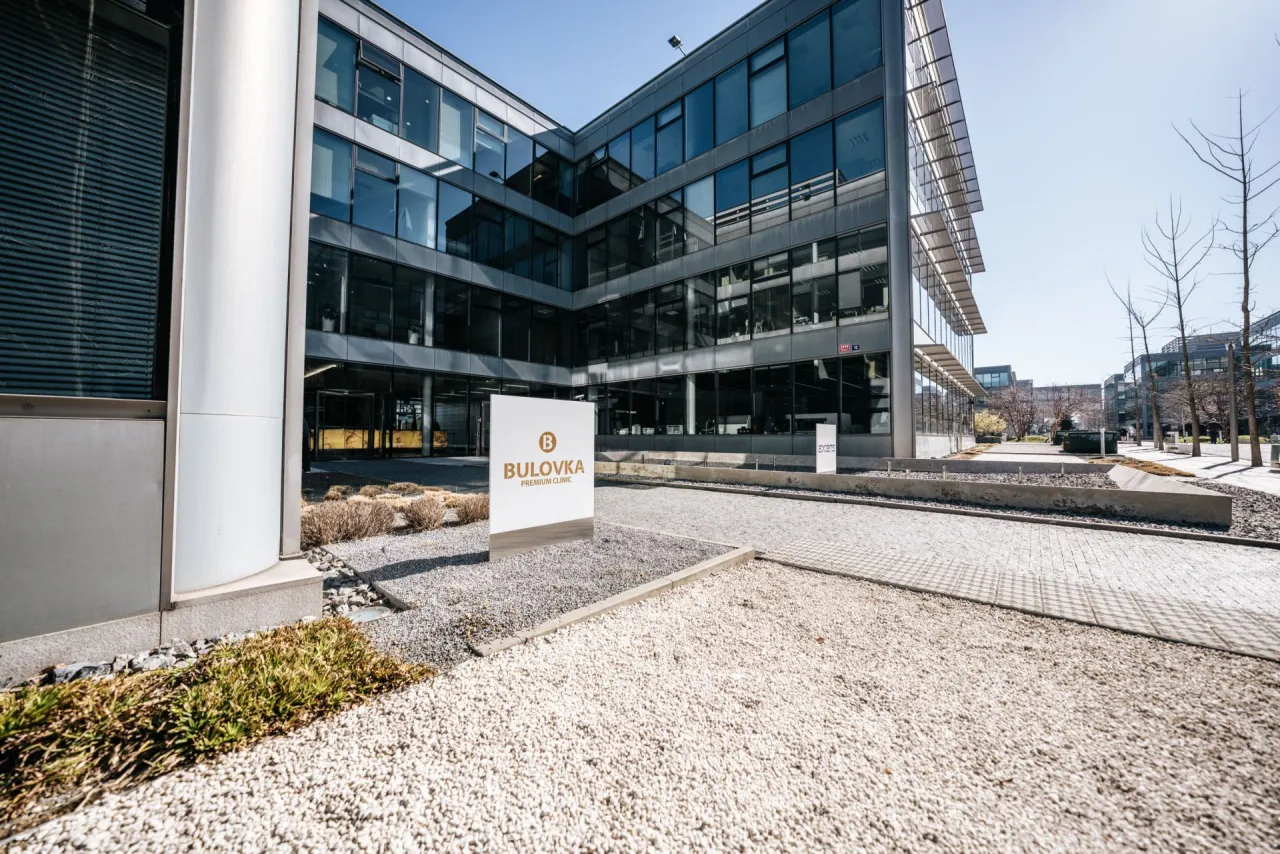
The Gemini A building in Pankrác, home of the clinic

Pankrác Clinic

Na Pankráci 1683/127, budova Gemini A, 140 00 Praha 4

  • Metro C → Pankrác station. The Gemini A building is right by the metro exit.
  • Bus 134, 188, 193 → Pankrác stop
  • Paid city parking applies nearby. The most convenient option is the Arkády Pankrác shopping centre car park — the first 2 hours are free. We have no reserved spaces for clients.
Directions in Google Maps

Part of Bulovka Premium Clinic

Three clinics. One standard of care.

Physiotherapy in Pankrác is part of Bulovka Premium Clinic — three clinics in Prague offering dentistry, dental hygiene, physiotherapy and a general practitioner under one brand.

Privacy and cookies

We use cookies so the website works properly and, with your consent, to analyse traffic and improve our services. You can change your decision at any time. Privacy policy