
Bulovka Premium Clinic
Skip to content
A boy exercising with a blue resistance band while a smiling physiotherapist guides him; a gym ball and mats in the background

Pankrác Clinic, Prague 4

Paediatric physiotherapyfor children aged 6 and over

Changes in posture, back pain, coordination difficulties or sports overload — an early examination can help find the cause and recommend the right approach. Therapy is always tailored to your child’s age and abilities.

4.7 out of 5 on Google

60 min

for the initial visit: consultation, examination and exercise advice

Age 6+

for school-age children and teenagers, always tailored to their age

No referral

book your child directly, without a paediatrician’s referral

Metro C

right by the Pankrác station exit, Gemini A building

What is paediatric physiotherapy

Paediatric physiotherapy focuses on assessing, supporting and restoring healthy musculoskeletal function as a child grows and develops.

In school-age children and teenagers, the physiotherapist looks at posture, muscle strength, coordination, stability, joint mobility and the way everyday movements are performed.

It is important to tell natural developmental changes apart from problems that need professional care. Not every deviation in posture automatically means a health problem.

It is not about one “correct” position

The aim of paediatric physiotherapy is not to teach every child to sit or stand in a single correct position. Varied movement, good muscle coordination and the ability to adapt to different activities matter more.

Therapy also includes guidance for parents and suitable exercises to do at home.

When to see a paediatric physiotherapist

Physiotherapy can help with specific movement problems, after an injury or as part of prevention. In Pankrác we focus mainly on the following areas.

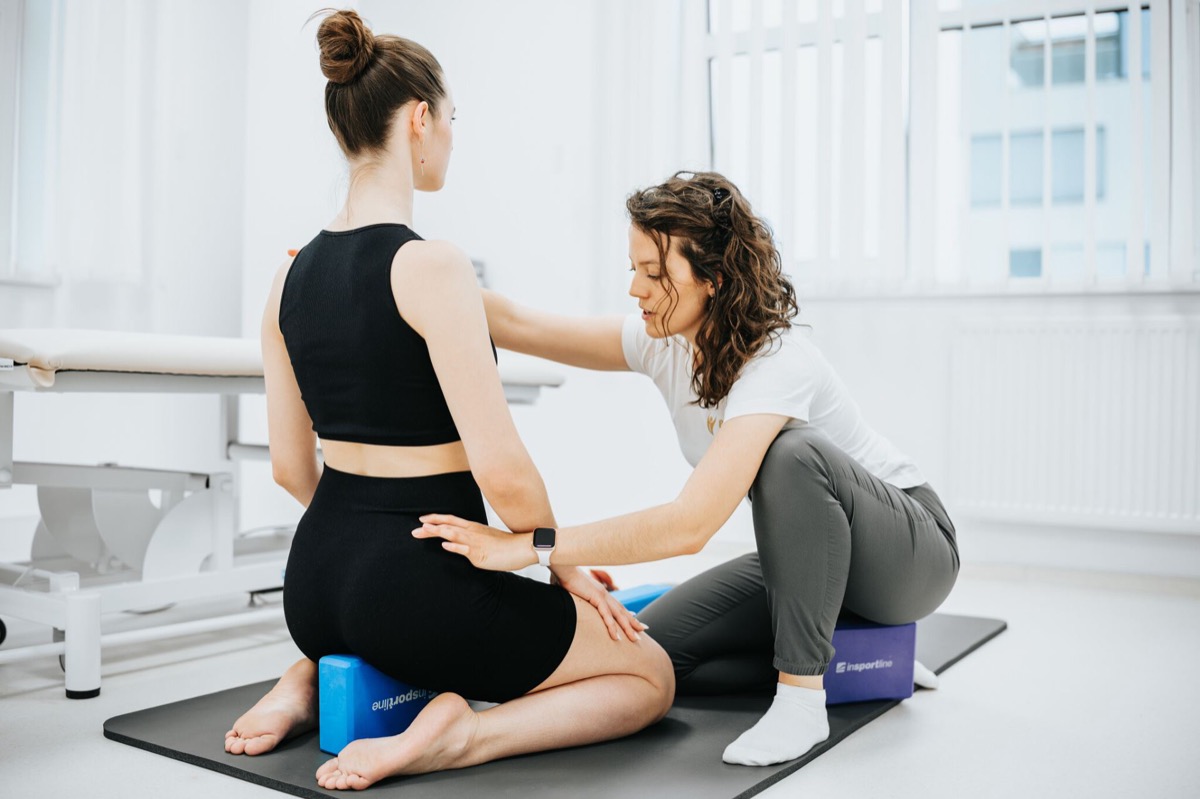
Poor posture and spinal asymmetry

A rounded back, forward head, uneven shoulders or a pronounced lower-back arch are not always a serious problem. But if they are linked to pain, limited movement or marked asymmetry over a long time, a professional assessment is advisable. The physiotherapist assesses:

  • Position of the head, shoulders, spine and pelvis
  • Mobility of the spine and individual joints
  • Muscle strength and coordination
  • Activation of the deep stabilising system
  • Movement habits in everyday activities
One-sided sports strain

Tennis, hockey, football, gymnastics or dance place considerable demands on a child’s body, and intensive or one-sided training can overload certain muscles and joints. Physiotherapy can focus on:

  • Assessing movement patterns in sport
  • Developing stability and coordination
  • Strengthening selected muscle groups
  • Compensatory exercises for the type of sport
  • Appropriate recovery and gradual loading

Movement problems during growth spurts

During growth spurts, body proportions and muscle coordination change, and young athletes may develop heel or knee pain from overloading growing structures. The physiotherapist may recommend adjusting the load, individual exercises and mobility work.

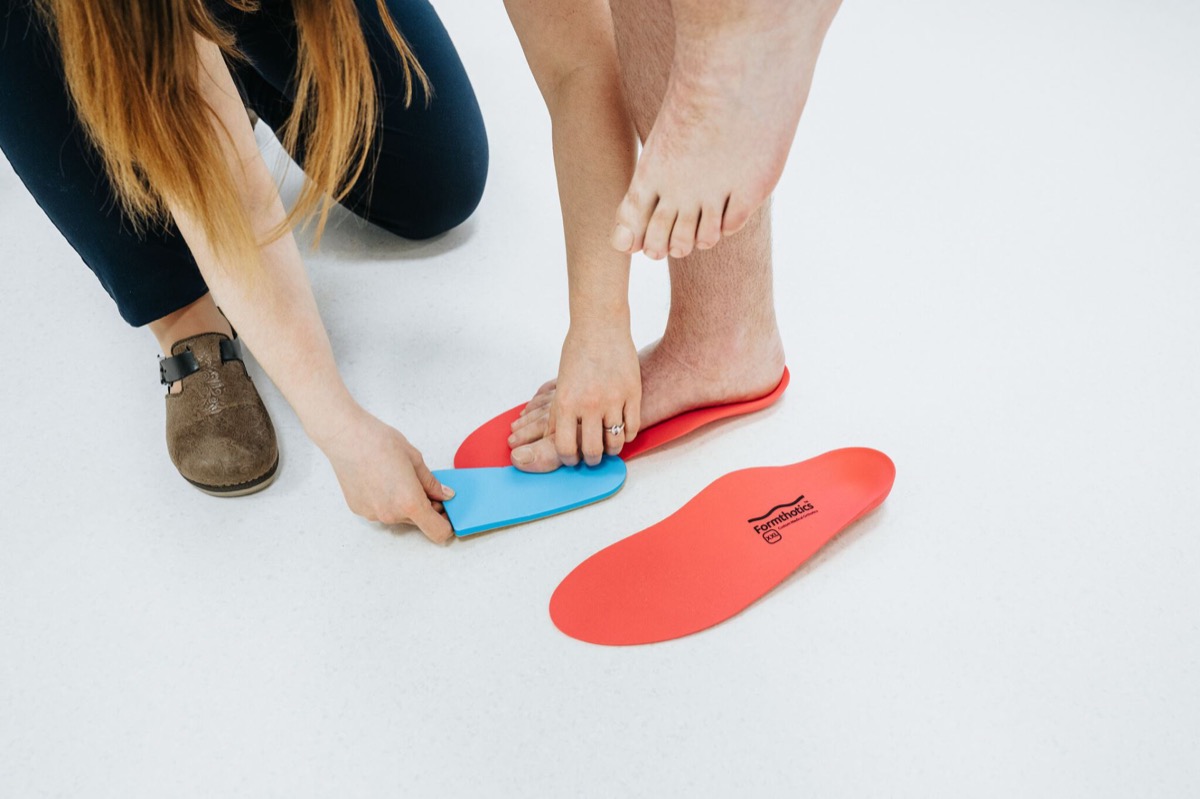
Flat feet and walking coordination

In many children a lower arch is a natural part of development and needs no treatment if it causes no problems. An examination is advisable when foot or ankle pain, stiffness, frequent tripping or balance problems appear. Physiotherapy may include:

  • Assessment of foot and ankle function
  • Evaluation of gait and balance
  • Coordination and stability exercises
  • Use of balance aids
  • Advice on suitable footwear or further examination

Long sitting and school backpacks

School, homework and electronic devices mean more time sitting, which can contribute to stiffness in the back and neck. The goal is not a perfectly straight back all day, but regular changes of position and plenty of natural movement. The physiotherapist may recommend:

  • Regular breaks and changes of position while studying
  • Simple compensatory movement activities
  • Proper adjustment of the desk and chair
  • A backpack worn on both shoulders and not overloaded
  • Regular movement and active leisure time

Rehabilitation after injuries and fractures

After an injury and a period of immobilisation, part of the body may be weaker or less mobile. Physiotherapy helps gradually restore its function and supports the return to everyday activities — depending on the injury, with exercises for mobility, strength, coordination and stability.

How the first visit works

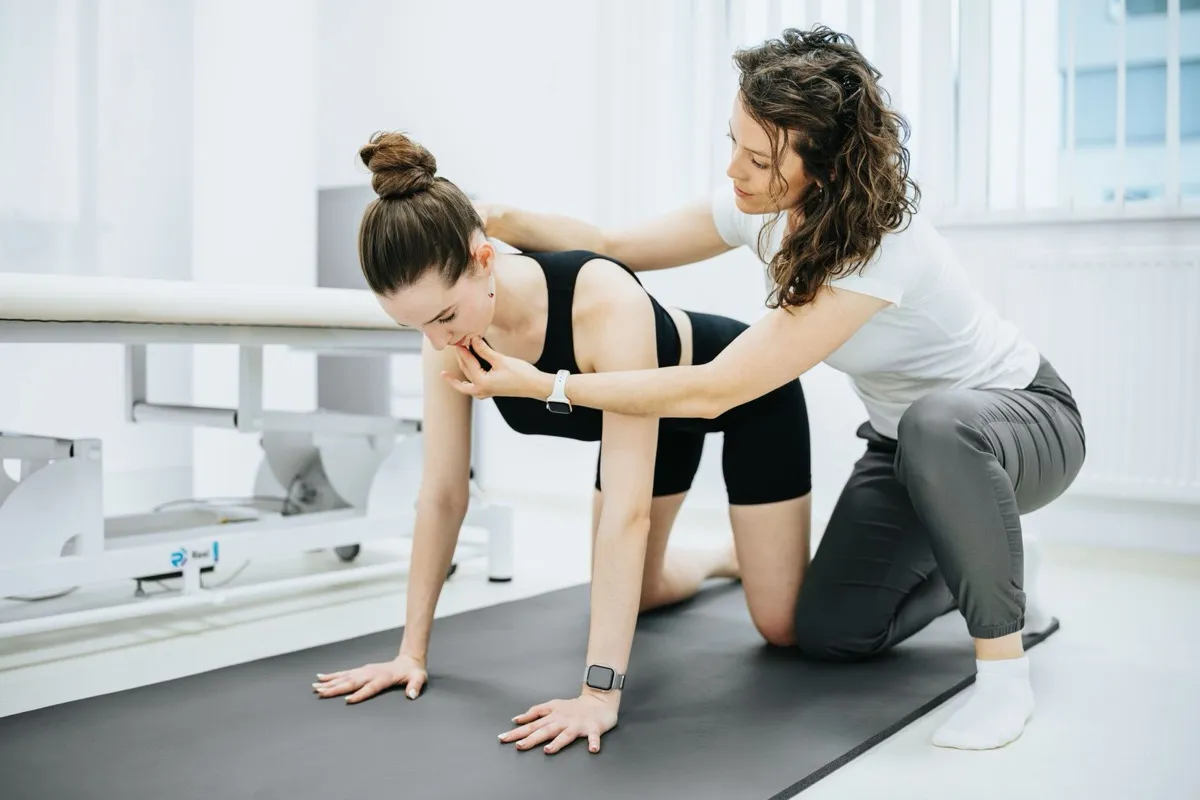
It begins with a conversation with you and your child. The physiotherapist always adapts the examination and exercises to your child’s age and abilities.

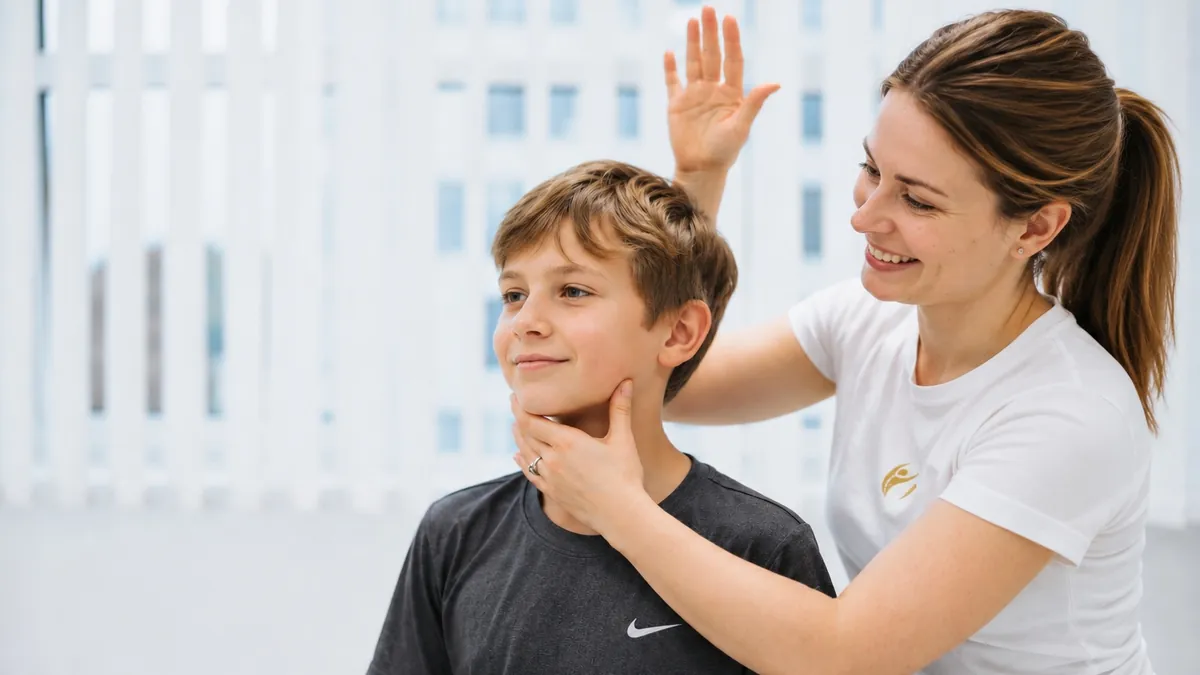
A physiotherapist checking a boy’s posture, holding his chin and raising his arm, both smiling
  1. 01

    Initial consultation

    You describe the changes you have noticed in your child, when the problems began and during which activities they appear.

    • current problems
    • previous injuries
    • movement habits
    • sports activities
    • school routine
    • previous examinations
  2. 02

    Musculoskeletal examination

    The physiotherapist examines posture, mobility, muscle strength, coordination and balance, and may ask your child to squat, stand on one leg or walk, for example.

  3. 03

    Exercises and recommendations

    Based on the findings, the physiotherapist designs a therapy plan. For younger children, exercises can be playful, using balance aids; with older children and teenagers there is more targeted strengthening and coordination work.

Involving parents

It is an important part of the visit. The physiotherapist explains the recommended home exercises and how to do them correctly.

What parents can do for healthy movement

The best foundation is regular, varied movement suited to your child’s age. It helps to:

  • Encourage regular outdoor activity
  • Support a mix of different activities
  • Limit long periods of uninterrupted sitting
  • Provide a suitable place for homework
  • Respect the need for rest and recovery after sport
  • Seek professional help if problems persist

Your child does not need to spend long minutes on special exercises every day. What matters is that they move regularly and develop a range of movement skills.

When to see a doctor first

  • If scoliosis is suspected — its diagnosis and monitoring belong with a medical specialist.
  • If your child is limping or has marked or one-sided pain.
  • If pain comes with swelling or fever.
  • If problems persist — limb pain should not automatically be put down to growth.
  • After a fracture or surgery, follow the treating doctor’s advice and respect the healing phase.

Physiotherapy can then be part of the recommended treatment, and the return to sport is always tailored to the specific injury and your child’s abilities.

Why choose us

Why paediatric physiotherapy at Bulovka Premium Clinic

Book online
  • Individual approach

    Examination and exercises tailored to your child’s needs and abilities, always with their age and health in mind.

  • Playful therapy

    Suitable aids and movement tasks adapted to your child’s age.

  • Working with parents

    We explain the findings and recommend exercises you can do with your child at home.

  • Easy to reach

    The clinic is in the Gemini A building in Pankrác, close to Pankrác metro station (line C).

Price and booking

Prices

Physiotherapy assessment and treatment60 min
1 600 Kč
Follow-up physiotherapy50 min
1 300 Kč

After the initial examination, the physiotherapist proposes a therapy plan based on your child’s condition. Care is provided on a direct-payment basis — we have no contracts with health insurance companies for physiotherapy.

Book online in a few minutes

The booking system is in Czech — choose these items:

  1. 1

    Choose the clinic Fyzioterapie – Klinika PankrácPhysiotherapy – Pankrác Clinic

  2. 2

    Select the service Vstupní vyšetření – fyzioterapie pro dětiInitial examination – physiotherapy for children

  3. 3

    Pick a time and briefly note what you would like to address

Before you come

What to bring

No special preparation is needed, but these help:

No referral needed

You can book directly, without a recommendation from a GP or specialist.

  • Comfortable clothing that lets your child move freely
  • Medical reports related to your child’s problems, if you have them
  • Results of previous examinations
  • Information about sports activities and previous injuries
  • An idea of when the problems began and during which activities they appear

Questions about paediatric physiotherapy

Didn’t find your answer? Write or call us — we’re happy to help.

In Pankrác we provide paediatric physiotherapy for children aged 6 and over and for teenagers.

Yes. A preventive examination can be useful, for example, with intensive sports training or if you have concerns about your child’s movement habits and posture.

No, you can book without a referral. If you have medical reports or results of previous examinations, please bring them along.

Not necessarily. Flexible flat feet are common in children and often need no treatment. An examination is advisable mainly in case of pain, stiffness, marked asymmetry or limited everyday movement.

Comfortable clothing that allows free movement and any medical reports related to your child’s problems. Information about sport and previous injuries is also helpful.

Physiotherapy is provided on a direct-payment basis. We have no contracts with health insurers for this care.

Paediatric physiotherapy does not replace a medical examination. If scoliosis is suspected, or if your child is limping or has marked or one-sided pain, swelling or fever, please see a doctor first.

Everything is described in detail in our article Paediatric physiotherapy: when is it appropriate and how does it work.

Book your child’s physiotherapy

If you notice changes in posture, recurring pain or difficulties in sport, a professional examination can help clarify the cause. Choose a time that suits you online.

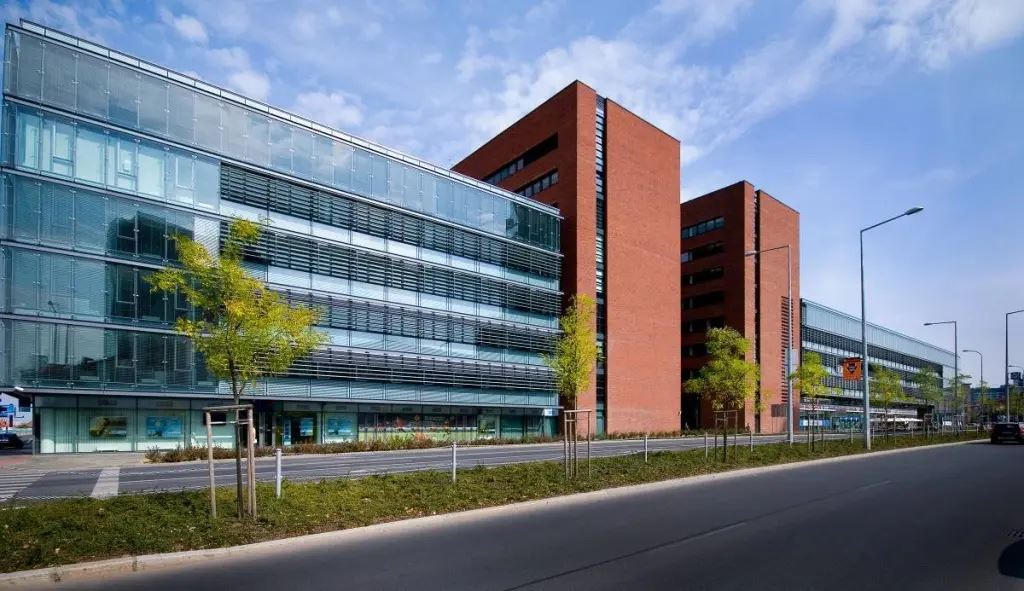
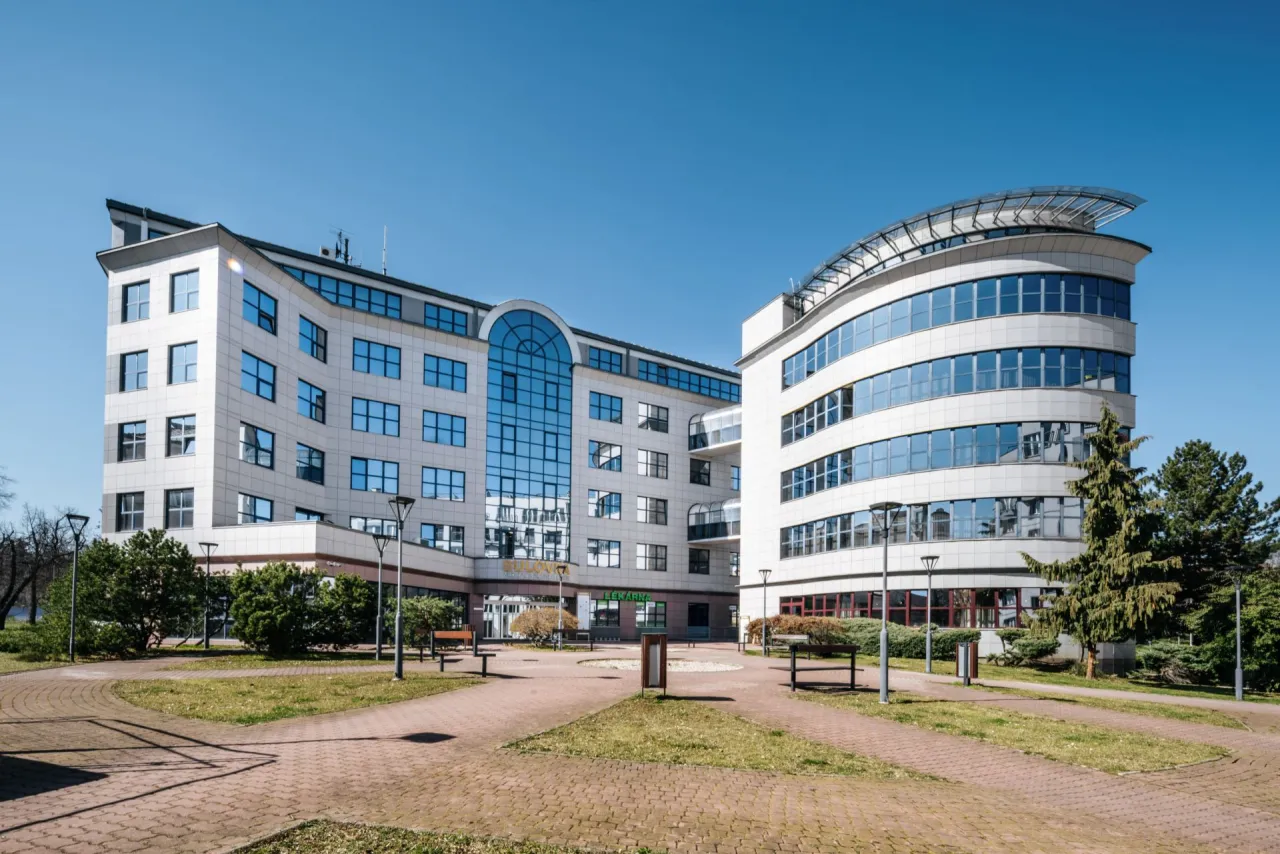
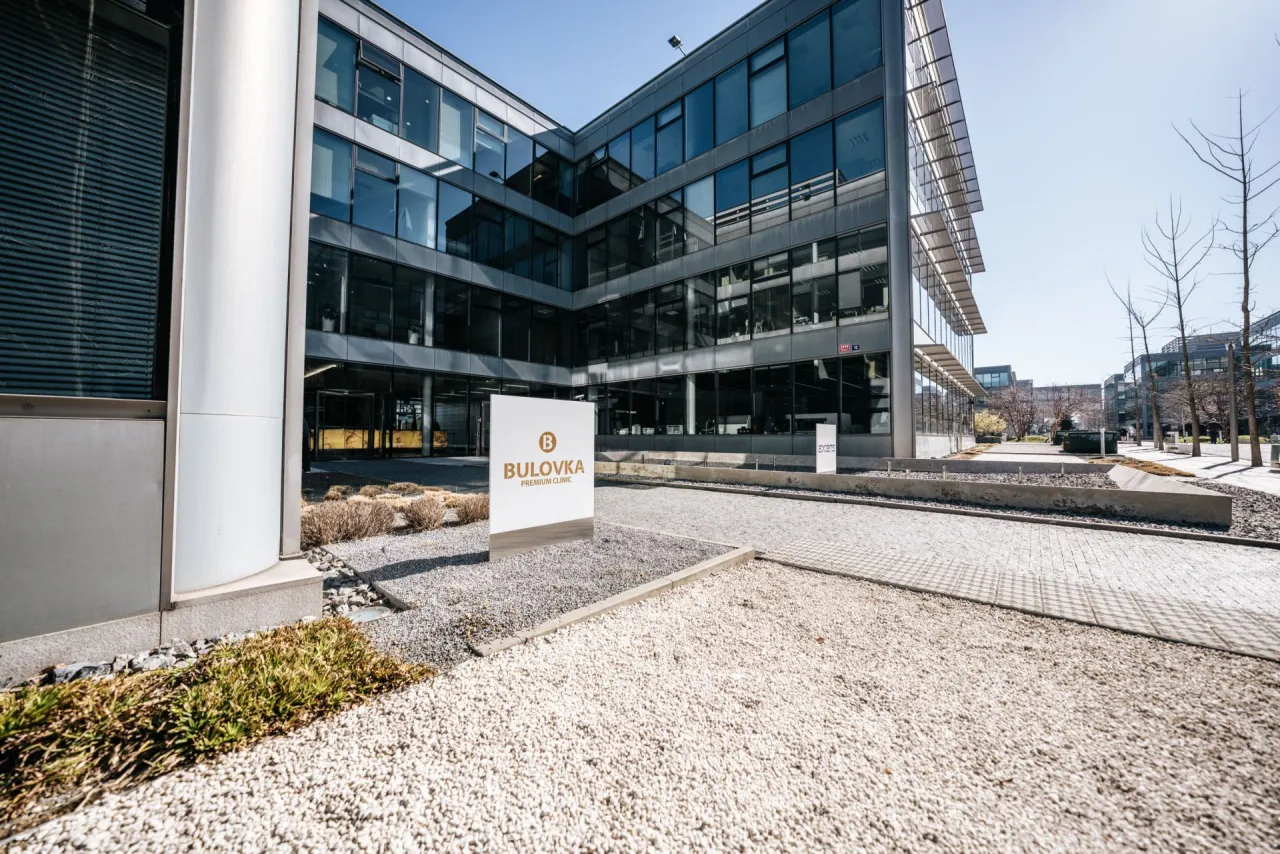
The Gemini A building in Pankrác, home of the clinic

Pankrác Clinic

Na Pankráci 1683/127, budova Gemini A, 140 00 Praha 4

  • Metro C → Pankrác station. The Gemini A building is right by the metro exit.
  • Bus 134, 188, 193 → Pankrác stop
  • Paid city parking applies nearby. The most convenient option is the Arkády Pankrác shopping centre car park — the first 2 hours are free. We have no reserved spaces for clients.
Directions in Google Maps

Part of Bulovka Premium Clinic

Three clinics. One standard of care.

Physiotherapy in Pankrác is part of Bulovka Premium Clinic — three clinics in Prague offering dentistry, dental hygiene, physiotherapy and a general practitioner under one brand.

Privacy and cookies

We use cookies so the website works properly and, with your consent, to analyse traffic and improve our services. You can change your decision at any time. Privacy policy