Pediatric Physiotherapy: When Is It Appropriate and What Does It Involve?
Starting school, long hours spent sitting at a desk, using computers and phones, or regular sports training. A child's musculoskeletal system is constantly developing throughout the school years and must adapt to new demands.
In some children, gradual changes in posture, back pain, difficulties with movement coordination, or overload related to sports activities may appear. An early professional examination can help identify the cause of the difficulties and recommend a suitable approach.
Pediatric physiotherapy focuses on the proper function of the musculoskeletal system, healthy movement habits, and the individual needs of a growing body.
At Bulovka Premium Clinic in Pankrác, we provide physiotherapy for children from the age of 6 and for adolescents. Therapy is always tailored to the child's age, physical abilities, and any specific difficulties.
In this article, we will explain when it is advisable to visit a pediatric physiotherapist, what kinds of problems it can help with, and what to expect during the first visit.
What Is Pediatric Physiotherapy?
Pediatric physiotherapy is a specialized area of physiotherapy focused on assessing, supporting, and restoring proper musculoskeletal function during a child's growth and development.
In school-age children and adolescents, the physiotherapist focuses, for example, on posture, muscle strength, coordination, stability, joint mobility, and the way everyday movements are performed.
It is important to distinguish natural developmental changes from difficulties that may require professional care. Not every deviation in posture automatically indicates a health problem.
The goal of pediatric physiotherapy is not to teach all children to sit or stand in a single "correct" position. It is more important to develop varied movement, appropriate muscle coordination, and the ability to adapt to different physical activities.
Therapy also includes educating parents and recommending suitable exercises for the home environment.
When Is It Advisable to Visit a Pediatric Physiotherapist?
Physiotherapy can be used for specific movement difficulties, after an injury, or as part of preventive care.
At Bulovka Premium Clinic in Pankrác, we focus primarily on the following areas.
1. Poor Posture and Spinal Asymmetry
Rounded back, forward head posture, uneven shoulder height, or pronounced lower back arching are among the changes parents may notice in their children.
This is not always a serious problem. However, if poor posture is long-term and associated with pain, limited movement, or significant asymmetry, a professional assessment is advisable.
The physiotherapist evaluates, for example:
The position of the head, shoulders, spine, and pelvis.
The mobility of the spine and individual joints.
Muscle strength and coordination.
Activation of the deep stabilizing system.
Movement habits during everyday activities.
Based on the examination, the physiotherapist may recommend individual exercises focused on stability, mobility, and improved movement coordination.
If scoliosis is suspected, a medical examination is essential. Scoliosis represents a structural curvature of the spine, and its diagnosis and monitoring fall within the care of the relevant medical specialist. Physiotherapy may be part of the recommended treatment plan.
2. Compensating for One-Sided Sports Strain
Tennis, hockey, football, gymnastics, dance, or other regular sports activities can place considerable demands on a child's musculoskeletal system.
Sport is important for healthy development, but intensive or one-sided training can lead to overloading certain muscle groups and joints.
Physiotherapy can focus on:
Assessing movement patterns during sport.
Developing stability and coordination.
Strengthening selected muscle groups.
Compensatory exercises tailored to the type of sports strain.
Recommendations for appropriate recovery and gradual loading.
An individually tailored exercise program can support healthy athletic development and help the child better cope with training demands.
3. Movement Difficulties During Periods of Rapid Growth
During growth spurts, body proportions, muscle coordination, and the demands placed on individual parts of the musculoskeletal system change.
Some children may experience muscle tension, limited mobility, or difficulties during sport. Young athletes may, for example, experience heel or knee pain associated with overloading of growing structures.
After an examination, the physiotherapist may recommend suitable adjustments to physical load, individual exercises, mobility work, and other lifestyle measures.
However, limb pain should not automatically be attributed solely to growth. If the child is limping, experiences significant or one-sided pain, swelling, fever, or if the difficulties persist, a medical examination is advisable.
4. Flat Feet and Difficulties with Gait Coordination
The position of the feet gradually develops throughout childhood. In many children, a lower longitudinal arch is a natural part of development and requires no treatment if it causes no difficulties.
An examination is particularly advisable if it is accompanied by pain in the feet or ankles, stiffness, frequent tripping, or balance problems.
Physiotherapy may include:
Assessment of foot and ankle function.
Evaluation of gait and balance.
Exercises focused on coordination and stability.
Use of balance aids.
Recommendations for suitable footwear or further specialist examination.
The main goal of therapy is to improve movement function and address any difficulties. A painless, flexible flat foot does not necessarily require any correction on its own.
5. Prolonged Sitting and School Backpacks
Attending school often means spending more time sitting. This is compounded by homework, the use of electronic devices, and, in some children, a lack of varied physical activity.
Staying in one position for long periods can contribute to a feeling of stiffness or discomfort in the back and neck area.
A physiotherapist can recommend the following to children and parents:
Taking regular breaks and changing position while studying.
Simple compensatory movement activities.
Proper adjustment of the desk and chair.
Carrying the school backpack correctly on both shoulders.
Regular movement and an active approach to leisure time.
Appropriate loading of the school backpack and correct distribution of its contents are also important.
However, the goal is not for a child to maintain a perfectly straight back all day long. For the musculoskeletal system, regular changes in position and sufficient natural movement are what matter most.
6. Rehabilitation after injuries and fractures
Children may experience muscle, ligament, joint, or bone injuries during sports and play. After an injury and a period of immobilization, a particular part of the body may become weakened or less mobile.
Physiotherapy helps gradually restore the function of the musculoskeletal system and supports a return to everyday activities.
Depending on the type of injury, it may include exercises for mobility, muscle strength, coordination, and stability.
After fractures or surgical procedures, it is essential to follow the recommendations of the treating physician and respect the healing phase. The return to sport is always tailored to the specific injury and the child's current abilities.
What does a first visit to pediatric physiotherapy involve?
The first visit begins with a conversation with the parent and child. The physiotherapist asks about current difficulties, health status, movement habits, and any previous injuries.
1. Initial consultation
Parents can describe the changes they have noticed in the child, when the difficulties began, and during which activities they occur.
The physiotherapist may also ask about sports activities, school routine, or previous medical examinations.
2. Examination of the musculoskeletal system
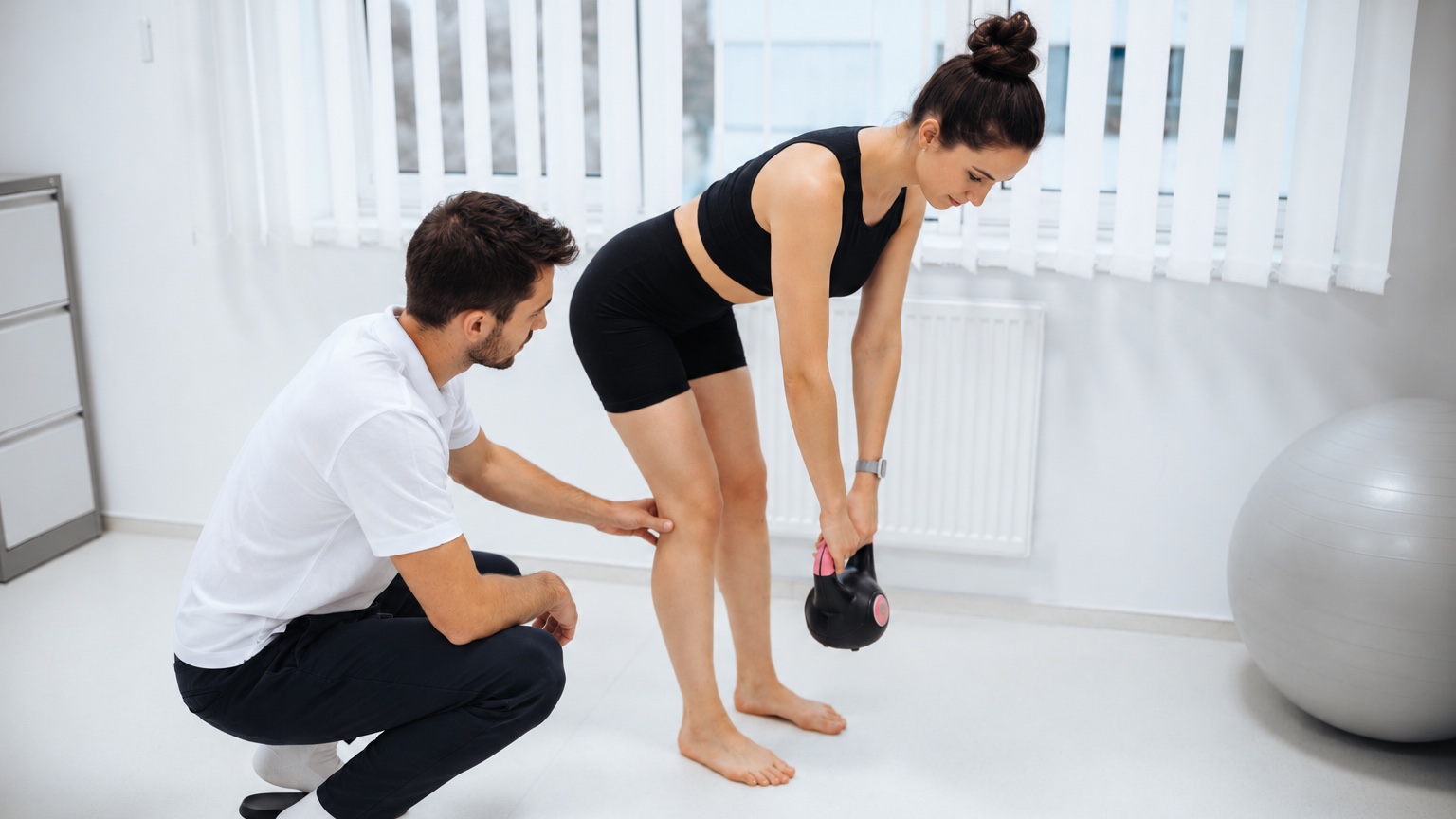
This is followed by an examination of posture, mobility, muscle strength, coordination, and balance.
The physiotherapist may ask the child to, for example, squat, stand on one leg, walk, or perform other simple movements.
The examination is always adapted to the child's age and abilities.
3. Individual exercises and recommendations
Based on the findings, the physiotherapist designs a suitable therapeutic plan.
For younger children, exercises may take a playful form using balance aids and simple movement tasks. For older children and adolescents, more targeted strengthening and coordination work can be included.
Involving parents is an important part of the visit. The physiotherapist explains the recommended home exercises and how to perform them.
What can parents do to support their child's healthy movement?
The best foundation for healthy motor development is regular and varied movement appropriate to the child's age.
Parents can support healthy movement habits, for example, by:
Motivating children to engage in regular outdoor activity.
Encouraging a variety of different movement activities.
Limiting excessively long periods of uninterrupted sitting.
Ensuring a suitable work environment for homework at home.
Respecting the need for rest and recovery after sports.
Seeking professional help if difficulties persist.
It is not necessary for a child to spend long minutes every day on special exercises. What matters is that they move regularly and have the opportunity to develop a variety of movement skills.
Pediatric Physiotherapy at Bulovka Premium Clinic in Pankrác
At Bulovka Premium Clinic, we provide pediatric physiotherapy for children from 6 years of age at our Pankrác branch in Prague 4.
Physiotherapy care is always tailored to the child's age, current health condition, and specific difficulties.
Why book an appointment at our clinic?
Individual approach – examination and exercises adapted to the child's needs and abilities.
Playful form of therapy – use of age-appropriate aids and movement tasks.
Parental involvement – explanation of findings and recommendations for home exercises.
No referral required – you can book your child's appointment directly, without a referral from a pediatrician.
Convenient location – the clinic is located in the Gemini A building, near Pankrác metro station.
Physiotherapy is provided on a direct payment basis. We do not have contracts with health insurance companies for this service.
You can find more information about the service on the Bulovka Premium Clinic physiotherapy page.
Frequently Asked Questions about Pediatric Physiotherapy
From what age can children attend physiotherapy?
At Bulovka Premium Clinic in Pankrác, we provide pediatric physiotherapy for children from 6 years of age and adolescents.
Is pediatric physiotherapy suitable for preventive purposes as well?
Yes. A preventive examination may be suitable, for example, in cases of intensive sports activity or if parents have concerns about their child's movement habits or posture.
Do I need a referral from a pediatrician?
No. You can book an appointment for pediatric physiotherapy without a referral. However, if you have medical reports or results from previous examinations, we recommend bringing them along.
Does every child with flat feet need physiotherapy?
Not necessarily. Flexible flat feet are common in children and often require no treatment. A professional examination is particularly advisable in cases of pain, stiffness, noticeable asymmetry, or limited movement.
What should I bring to the first visit?
We recommend comfortable clothing that allows free movement, as well as any medical reports related to the child's difficulties. Information about sports activities and previous injuries can also be helpful.
Is physiotherapy covered by health insurance?
Physiotherapy at Bulovka Premium Clinic is provided on a direct payment basis. We do not have contracts with health insurance companies for this care.
Book Your Child's Physiotherapy Appointment in Pankrác
Healthy motor development is an important part of childhood. If you notice changes in posture, recurring pain, or difficulties during sports, a professional examination can help identify the cause.
At Bulovka Premium Clinic in Pankrác, we offer physiotherapy for children from 6 years of age, with an emphasis on an individual approach, healthy movement habits, and cooperation with parents.
Book your child's appointment conveniently online and choose a time that suits you.
More information and online booking for pediatric physiotherapy