General Physiotherapy: What It Helps With and How It Works
Back pain, a stiff neck, restricted joint mobility, or difficulties following an injury can significantly affect everyday life. Sometimes these issues appear suddenly; other times they develop gradually as a result of long-term strain, lack of movement, or one-sided physical load.
General physiotherapy focuses on the examination, treatment, and prevention of musculoskeletal disorders. Its goal is not only to provide short-term relief from unpleasant symptoms, but also to identify the movement-related and functional factors that may be contributing to the problem.
At Bulovka Premium Clinic in Pankrác, we apply a comprehensive, individualised approach. We do not focus solely on the area where pain occurs, but assess the musculoskeletal system as an interconnected whole.
In this article, we explain what kinds of difficulties physiotherapy can help with, what to expect during your first visit, which methods we use, and why it is important to pay attention to the musculoskeletal system preventively as well.
What Is General Physiotherapy?
General physiotherapy is a healthcare discipline focused on the examination, treatment, and prevention of functional disorders of the musculoskeletal system. It deals primarily with how the muscles, joints, spine, and other structures important for everyday movement function.
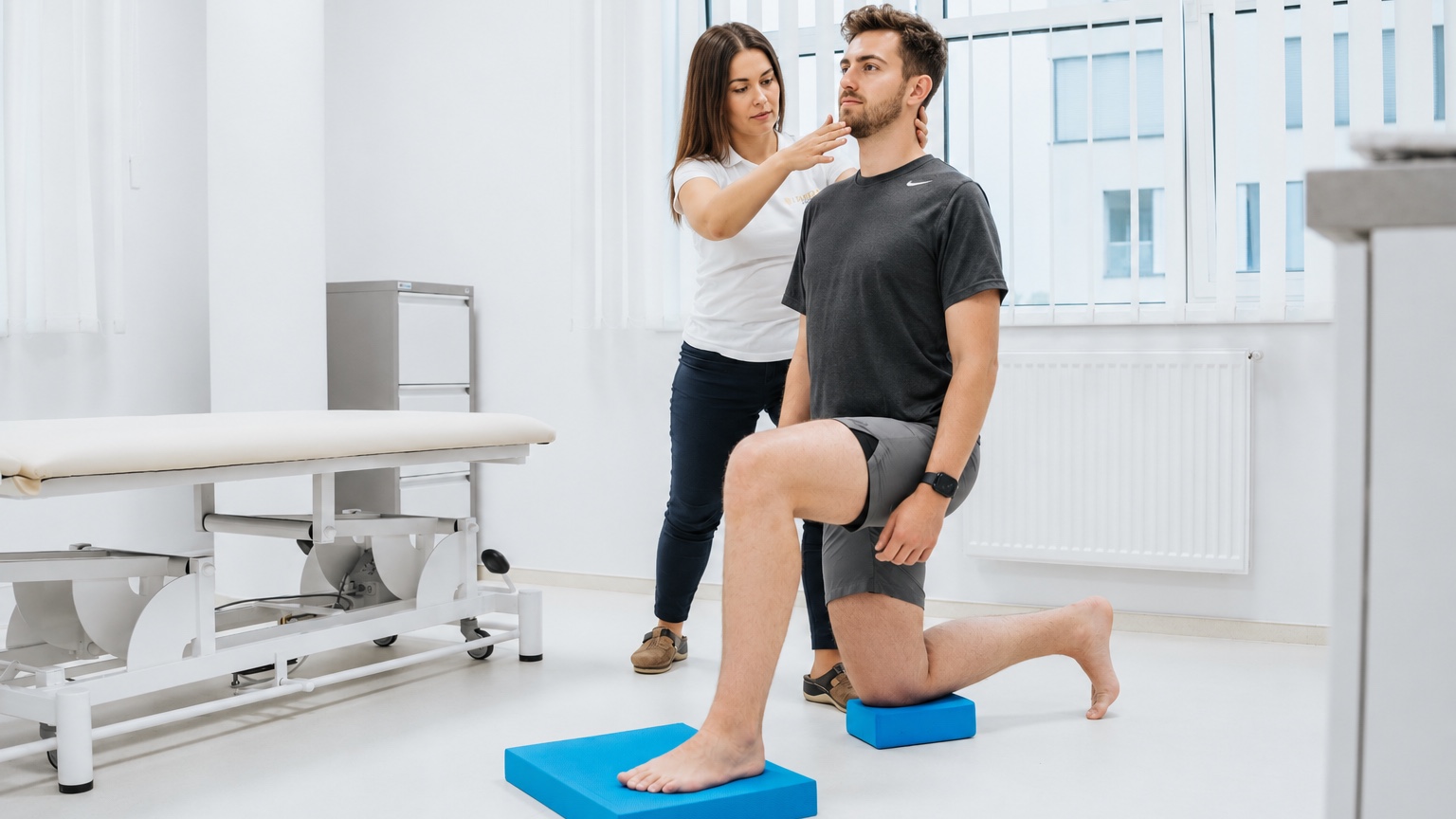
During the examination, the physiotherapist assesses factors such as range of motion, muscle strength, coordination, stability, posture, and the way common movement activities are performed.
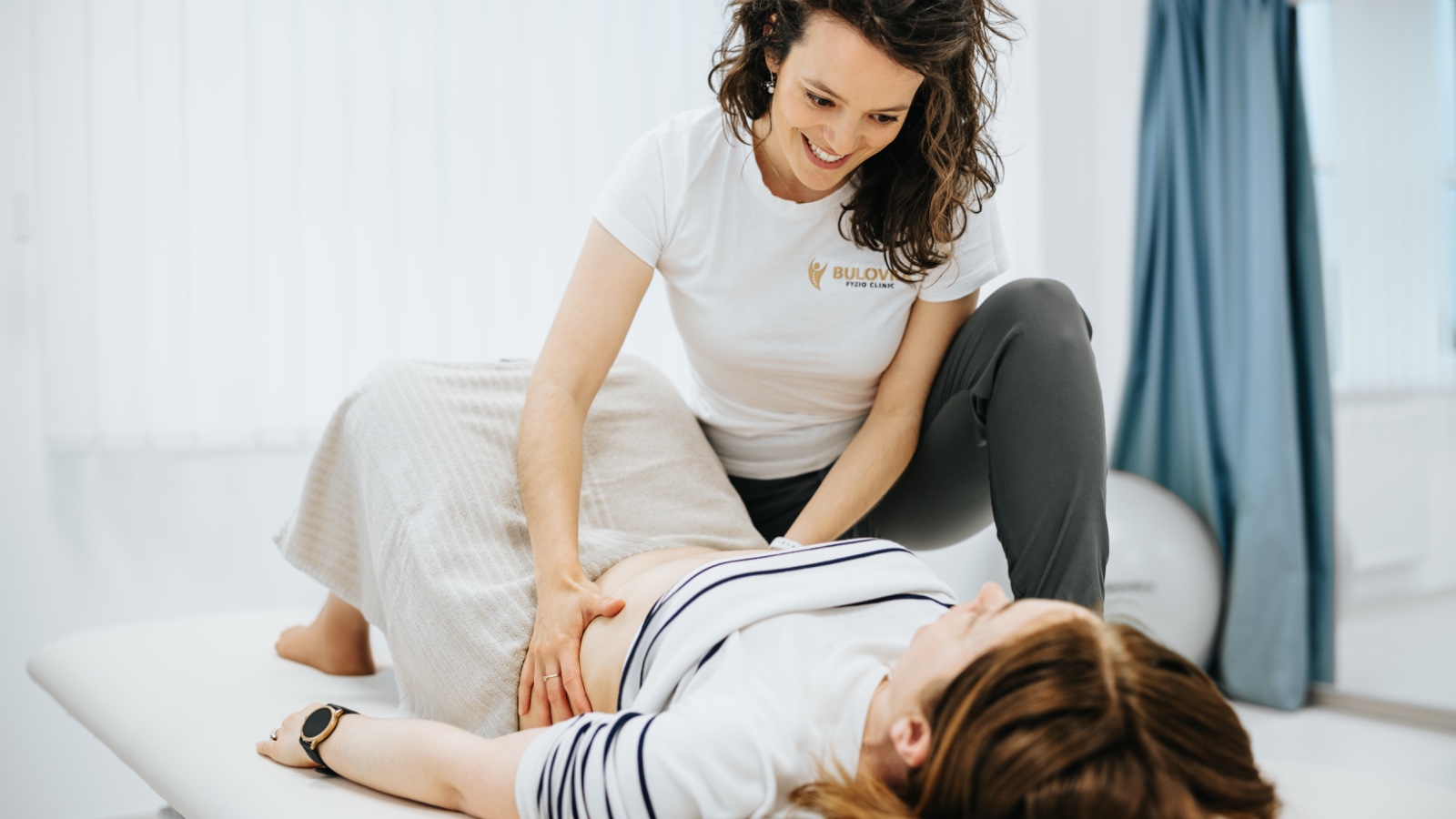
Based on the findings, the physiotherapist then recommends an individual course of treatment, which may combine targeted exercises, manual techniques, and adjustments to movement habits.
Why Doesn't Physiotherapy Focus Only on the Site of Pain?
The musculoskeletal system functions as an interconnected whole. Individual muscles and joints work together during walking, sitting, sports, and other everyday activities.
For example, in some people, lower back pain may be related to insufficient coordination of the deep stabilising system, limited hip mobility, or long-term overload of certain muscle groups.
Similarly, increased tension in the neck and shoulder muscles may contribute to certain types of headaches, particularly when they are related to the function of the cervical spine.
However, pain does not always have a single cause. The physiotherapist's task is to evaluate possible functional connections and, based on the examination results, propose suitable therapy. If the symptoms suggest another underlying condition, a medical examination may also be necessary.
What Difficulties Can General Physiotherapy Help With?
Physiotherapy can be a suitable part of care for acute and long-term musculoskeletal problems, following injuries and surgeries, or in cases of one-sided occupational strain.
At Bulovka Premium Clinic in Pankrác, we treat a wide range of movement-related difficulties. Therapy is always tailored to the individual's health condition and personal circumstances.
1. Acute and Chronic Musculoskeletal Problems
Acute movement-related difficulties can arise, for example, after unusual physical exertion, a sudden movement, or long-term overload of a particular part of the body.
Common symptoms include:
Sudden restriction of spinal or joint mobility.
Painful muscle tension.
A feeling of stiffness and reduced range of motion.
Recurring difficulties during everyday movements.
Long-term muscle overload or functional imbalance.
A physiotherapy examination helps determine which movements are restricted, how individual muscle groups are engaged, and what level of load can be safely introduced.
Depending on the nature of the difficulties, therapy may include gentle manual techniques, targeted exercises, or a gradual return to physical activity.
The aim is to improve movement function and support a return to everyday activities, taking into account the individual course of recovery.
2. Rehabilitation After Injuries and Surgeries
Following an injury or surgical procedure, muscle strength, mobility, stability, and overall movement coordination may all be affected.
Physiotherapy is therefore often an important part of recovery, for example after:
Injuries to muscles, ligaments, and tendons.
Fractures and the subsequent period of immobilisation.
Joint surgeries and other orthopaedic procedures.
Sports injuries.
Injuries associated with restricted mobility.
Rehabilitation focuses on gradually restoring mobility, muscle strength, and the ability to safely manage everyday physical demands.
This may include therapeutic exercises, manual techniques, and, depending on the current condition, procedures aimed at managing swelling or functional limitations.
Post-surgical physiotherapy must respect the healing process and any restrictions set by the treating physician. The scope and intensity of rehabilitation therefore depend on the type of procedure and the patient's current state of health.
3. Acute and Chronic Back Pain
Back pain is one of the most common reasons for visiting a physiotherapist. It can occur in the cervical, thoracic, or lumbar spine and may have various causes.
Some people experience pain after long periods of sitting at a computer, others after physical labour or sports activity. In some patients, the difficulties recur or persist over a longer period of time.
Physiotherapy may focus, for example, on:
Improving the mobility of individual sections of the spine.
Working with tension in overloaded muscles.
Training coordination of the deep stabilising system.
Correcting movement patterns when sitting, walking, or lifting objects.
Gradually introducing suitable physical activity.
In some patients, the difficulties also involve a herniated intervertebral disc or irritation of nerve structures.
In such cases, physiotherapy must be adapted to the results of the medical examination, the symptoms present, and any neurological limitations.
Long-term back care usually relies on more than just release techniques. Appropriate movement, gradual loading, and the client's active involvement in therapy are also important components.
4. Headaches related to the cervical spine
Some headaches may be related to the function of the cervical spine, muscle tension in the neck area, or limited neck mobility.
These issues can occur, for example, in people who spend long hours at a computer or place long-term strain on the neck and shoulder area.
In such cases, physiotherapy may focus on examining the cervical spine, muscle coordination, posture, and movement habits.
Depending on the examination findings, therapy may include:
Gentle mobilization and manual techniques.
Soft tissue work in the neck and shoulder area.
Exercises focused on coordination and stability of the cervical spine.
Recommendations for a suitable work environment and lifestyle adjustments.
However, not every headache originates from the cervical spine. Migraine is a separate neurological condition that requires appropriate diagnosis and treatment. For some patients, physiotherapy may serve as a complementary part of care, but it does not replace neurological examination or migraine treatment.
If headaches are recurring, new, or worsening, it is advisable to consult a doctor about their cause.
5. Degenerative joint disease and osteoarthritis
Osteoarthritis is a joint condition that can affect the joint cartilage as well as other surrounding structures. It often manifests as pain, stiffness, and limited mobility.
It can affect, for example, the knee and hip joints, as well as other parts of the musculoskeletal system.
Physiotherapy is an important part of conservative care for patients with osteoarthritis. It focuses primarily on:
Maintaining and improving joint mobility.
Strengthening the muscles involved in joint stabilization.
Gradually increasing tolerance to everyday physical strain.
Practicing suitable movement patterns.
Supporting independent management of daily activities.
Regularly performed, appropriate exercise can help reduce pain and improve movement function.
However, physiotherapy cannot restore already damaged joint cartilage or guarantee that the progression of osteoarthritis will stop. Its main goal is to improve joint function and the quality of everyday life.
6. Preventing strain from a sedentary job
Office work, prolonged sitting, and a lack of regular movement can contribute to stiffness, muscle strain, and other functional issues.
This typically involves tension in the neck and shoulder area, discomfort in the lower back, or limited mobility after a long working day.
Physiotherapy therefore does not have to focus only on pain that has already developed, but also on preventing issues associated with everyday strain.
Preventive care may include:
Examination of posture and movement habits.
Assessment of muscle coordination and any functional limitations.
Recommendations for ergonomic workstation setup.
Practicing simple compensatory exercises.
Adjusting the routine of sitting, movement, and rest throughout the day.
For employees of nearby office buildings, physiotherapy in Pankrác is a conveniently accessible option for maintaining healthy movement during the work week as well.
What methods are used in general physiotherapy?
The specific therapeutic approach is always based on the results of the initial examination. There is no single method suitable for all patients and all types of movement difficulties.
At Bulovka Premium Clinic, we use various physiotherapy concepts and techniques, which we combine according to individual needs.
Dynamic Neuromuscular Stabilization (DNS)
DNS, or Dynamic Neuromuscular Stabilization, is a therapeutic concept based on the principles of developmental kinesiology.
It focuses on muscle coordination during movement, working with the deep stabilizing system and the functional engagement of individual parts of the body.
Therapy may include exercises focused on trunk stability, breathing coordination and correct movement patterns.
Mobilization techniques
Mobilization techniques are used for certain functional restrictions in the mobility of joints and the spine.
Using targeted manual procedures, the physiotherapist works with the mobility of individual structures and, as needed, combines them with active exercise.
Soft tissue techniques
Soft tissue techniques are manual procedures focused on muscles, fascia and other soft tissues.
They may be used, for example, in cases of increased muscle tension or limited mobility of soft tissues.
Their use is usually combined with active therapy, not only passive treatment.
Individual therapeutic exercise
Targeted exercise is one of the most important parts of physiotherapy. It helps gradually improve strength, mobility, stability and coordination according to the specific needs of the patient.
The physiotherapist selects exercises based on the examination results and continuously adjusts their difficulty.
Education is also important, so that the client knows how to exercise correctly at home and how to apply movement in everyday activities.
Device-assisted physiotherapy
At our clinic in Pankrác, we also offer selected methods of device-assisted physiotherapy, including a high-power MLS laser and radial or focused shockwave therapy.
Depending on the specific indication, these technologies may be part of comprehensive care for the musculoskeletal system.
Their suitability is determined by a specialist after assessing the patient's health condition, the nature of the difficulties and any possible contraindications. They are not an automatic part of every physiotherapy visit.
What does the first general physiotherapy visit involve?
The first physiotherapy visit mainly serves to understand your difficulties, examine the musculoskeletal system and propose a suitable therapeutic approach.
The course of the examination may vary depending on whether you come with acute pain, long-term difficulties, after an injury or for preventive reasons.
1. Initial interview and medical history
The physiotherapist will first ask about your current difficulties, their duration, the circumstances of their onset and any previous treatment.
They may be interested in, for example:
The location and nature of the pain or other limitation.
Situations in which the difficulties worsen or improve.
Previous injuries and surgeries.
Current health condition and any chronic diagnoses.
Work environment and everyday movement habits.
Sports activities and expectations from physiotherapy.
If you have medical reports or examination results available, such as X-rays or MRI scans, it is advisable to bring them with you.
2. Physiotherapy examination
The initial interview is followed by a functional examination of the musculoskeletal system.
The physiotherapist may assess posture, range of motion, muscle strength, coordination, stability and the performance of selected movement tasks.
If necessary, they may also examine specific joints, muscles and other structures related to the difficulties.
The aim is to gain the most accurate picture possible of the function of the musculoskeletal system and determine which therapeutic approaches may be suitable.
3. First therapeutic treatment
Based on the examination results, an appropriate part of the therapy may already follow during the first visit.
This may include, for example, manual techniques, practicing specific movements, breathing exercises or individual activation of muscle groups.
The extent of the therapy depends on the current health condition and the nature of the difficulties. For some patients, it may be advisable to first supplement the assessment with further medical examination.
4. Recommendation of home exercise
The first visit usually also includes recommendations for suitable exercises and movement habits for the home environment.
The physiotherapist will explain what to focus on during exercise, how to perform the exercises correctly and how to gradually increase the load.
The success of physiotherapy often also depends on the client's regular cooperation. Long-term changes in movement habits usually require repetition and gradual adjustment of the load.
How to Prepare for Your First Physiotherapy Session
No special preparation is required for your first visit. However, we recommend a few practical steps:
Wear comfortable clothing that allows free movement and examination of specific parts of the body if needed.
Bring any available medical reports that are relevant to your condition.
Think through the course of your difficulties, particularly when they began and which activities tend to trigger them.
Inform the physiotherapist about any health limitations, past surgeries, or current treatment.
Prepare any questions you may have regarding exercise, workload, or returning to sport.
If you have never had physiotherapy before, there is no need to worry. The physiotherapist will explain each step of the examination and adapt it to your current condition.
Physiotherapy as Prevention: Why Not Wait Until It Hurts?
Physiotherapy is not intended only for people with current health complaints.
A preventive examination can be beneficial, for example, for individuals with sedentary jobs, repetitive or one-sided work strain, or for athletes looking to improve their movement habits.
A physiotherapist can assess mobility, stability, coordination, and how individual parts of the body are loaded during movement.
Based on the results, they can recommend suitable physical activity, compensatory exercises, or adjustments to everyday habits.
Practical Tips for Healthy Movement During the Workday
Change your position regularly. Long periods in one posture should be interspersed with brief movement.
Take breaks. A short walk or simple stretching can help reduce feelings of stiffness.
Adjust your workspace. Make sure your monitor is at a suitable height, your seating is comfortable, and work tools are within easy reach.
Stay physically active on a regular basis. Combine moderate aerobic activity, strength training, and mobility exercises.
Respect your current fitness level. Increase physical load gradually and adapt it to your abilities.
Properly set-up ergonomics and regular movement can contribute to greater comfort throughout the workday. However, changing position alone is not a universal solution for all back or neck pain.
When Should You See a Doctor Instead of a Physiotherapist?
Physiotherapy can be part of the treatment for a wide range of musculoskeletal issues; however, certain symptoms require a medical examination as a priority.
It is advisable to contact a doctor, for example, in the following cases:
New or worsening pain following an injury.
Persistent pain accompanied by fever or general malaise.
Significant or progressively worsening muscle weakness.
New, unusual, or repeatedly worsening headaches.
Pain that is significantly worsening and limiting normal functioning.
Immediate medical attention is required in the case of new onset loss of bladder or bowel control, loss of sensation in the groin area, rapidly progressing limb weakness, or other serious neurological symptoms.
Similarly, a sudden, exceptionally severe headache must be addressed without delay, especially if accompanied by impaired speech, movement, or consciousness.
In these situations, it is essential not to delay seeking medical help in favor of routine physiotherapy treatment.
Why Choose Physiotherapy at Bulovka Premium Clinic?
At Bulovka Premium Clinic in Pankrác, we provide physiotherapy with an emphasis on an individual approach, professional examination and active client involvement in the therapy.
Our facility is located in the Gemini A building in Prague 4, close to the Pankrác metro station.
Booking Without a Doctor's Referral
You can book a physiotherapy appointment directly, without a referral from a general practitioner or other specialist.
If you have medical records relating to your condition, we recommend bringing them along.
Individual Therapeutic Approach
We tailor each examination and subsequent therapy to the client's specific condition, health status and movement capabilities.
The aim is not only to address current functional limitations, but also to provide recommendations that can be useful in everyday activities and long-term care of the musculoskeletal system.
Modern Physiotherapy Methods
We use selected therapeutic concepts, such as Dynamic Neuromuscular Stabilization (DNS), mobilization and soft tissue techniques, or individual therapeutic exercise.
Depending on the indication, other specialized or instrument-assisted methods may also be available.
Connecting Physiotherapy and Dentistry
Another advantage of our facility is the availability of dental care at the same clinic.
For certain conditions, such as issues involving the jaw joint, chewing muscles or related muscle tension, cooperation between a physiotherapist and a dentist can be beneficial.
Depending on the nature of the condition, this allows us to take into account both musculoskeletal function and any related dental aspects.
Convenient Accessibility
The Pankrác clinic is located in the Gemini A building at Na Pankráci 1683/127, Prague 4, close to the Pankrác metro station on line C.
This makes physiotherapy readily accessible not only to residents of Prague 4, but also to people working in the surrounding office buildings.
Physiotherapy on a Direct Payment Basis
Physiotherapy services at Bulovka Premium Clinic are provided on a direct payment basis by the client.
We do not have contracts with health insurance companies for physiotherapy. Information about individual services, their prices and booking options can be found on our website.
Frequently Asked Questions About General Physiotherapy
What does general physiotherapy address?
General physiotherapy focuses on functional disorders of the musculoskeletal system, back and joint pain, muscle overload, limited mobility, rehabilitation after injuries and surgeries, as well as prevention of problems related to everyday strain.
Do I need a doctor's referral for physiotherapy?
No. At Bulovka Premium Clinic, you can book a physiotherapy appointment directly without a doctor's referral. If you have medical reports related to your condition, we recommend bringing them along.
Is physiotherapy suitable for back pain?
Yes, physiotherapy can be an important part of care for many acute and chronic back pain conditions. The appropriate approach depends on the cause of the problem, the client's health status and the examination results.
What is the difference between physiotherapy and massage?
Massage focuses mainly on manual work with soft tissues. Physiotherapy, on the other hand, includes a professional functional examination, an individual therapy plan, targeted exercise and, where appropriate, manual techniques as well.
Is a physiotherapy examination painful?
The course of the examination is adapted to the client's health status and condition. Some movement tests or manual techniques may be uncomfortable in cases of increased sensitivity. The physiotherapist should explain each step as the examination progresses and respect the client's current tolerance for exertion.
How many physiotherapy sessions will I need?
The number of sessions is individual. It depends on the nature and duration of the problem, the client's health status, the results of the initial examination and the response to therapy. The physiotherapist will recommend the next steps after the first examination.
Does physiotherapy make sense even without pain?
Yes. Preventive physiotherapy can be beneficial, for example, for people with sedentary jobs, those with one-sided physical strain, or anyone looking to improve their movement habits and coordination.
Is physiotherapy suitable after an injury or surgery?
Yes, depending on the type of injury and stage of healing. However, the rehabilitation plan must be adapted to the client's health status and any restrictions set by the treating physician.
Is general physiotherapy covered by health insurance?
At Bulovka Premium Clinic, we provide physiotherapy on a direct payment basis. We do not have contracts with health insurance companies for this care.
Where is Bulovka Premium Clinic's general physiotherapy located?
We provide physiotherapy at our Pankrác branch in Prague 4, in the Gemini A building at Na Pankráci 1683/127, near the Pankrác metro station.
Book an Appointment for General Physiotherapy at Pankrác
Back pain, limited mobility or long-term muscle strain don't have to be something you simply learn to live with.
General physiotherapy can help you better understand how your musculoskeletal system works, address functional issues and create an individual plan for returning to everyday activities.
At Bulovka Premium Clinic in Pankrác, we provide physiotherapy care with an emphasis on professional examination, individual therapy and practical recommendations for everyday movement.
Whether you are dealing with current pain, recovering from an injury or want to take preventive care of your musculoskeletal system, you can book an appointment directly without a referral from a doctor.
Book your appointment conveniently online and take the first step towards better movement comfort.